
You can’t rely on appearance, taste, or smell—harmful bacteria and metals hide invisibly in bathroom pipes! Standing water creates a bacteria buffet, especially in older fixtures leaching lead and copper. Brown stains signal iron buildup; rotten egg smells indicate hydrogen sulfide. Your best move? Contact your health department for certified lab testing, which detects contaminants home kits miss. INAB-recognized labs provide exact concentrations and guidance. Don’t guess—get tested and discover exactly what’s flowing through your bathroom lines.
Is Bathroom Tap Water Safe to Drink?
Why would you want to drink from your bathroom sink when your kitchen tap’s right there? Here’s the thing: bathroom water safety differs substantially from kitchen water. Your bathroom pipes sit unused longer, allowing bacteria to grow and metals like copper and lead to leach into standing water. It’s not ideal!
Kitchen taps typically have better filtration systems, but bathroom fixtures don’t. You’re risking chlorine byproducts and contaminants that concentrate in stagnant conditions. That dry skin after showering? That’s a sign your water’s working against you.
The real concern: older pipes especially. Lead exposure accumulates over time, affecting your health gradually. Unless you’ve installed point-of-use filters or whole-house filtration systems, skip the bathroom sink entirely. Your body deserves cleaner water sources. Stick with your kitchen—it’s genuinely safer!
Visual Warning Signs: Stains, Cloudiness, and Discoloration
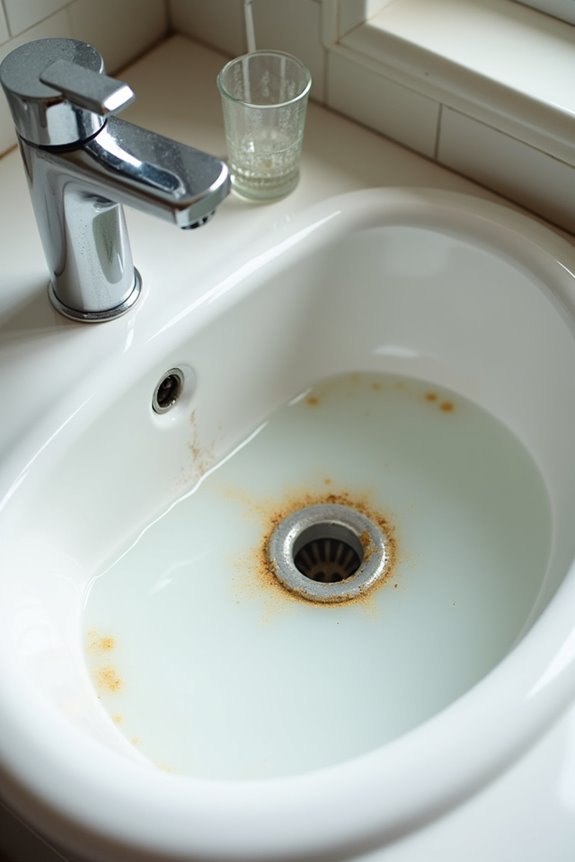
How’s your bathroom looking these days—spotless or showing some suspicious stains?
Your fixtures tell stories about your water quality! Those discolored marks aren’t just cosmetic issues; they’re messages from your plumbing system. Let’s decode what you’re seeing:
| Visual Sign | What It Means |
|---|---|
| Brown, red, orange stains | High iron or manganese levels |
| Rotten egg smell | Hydrogen sulfide present—corrosive to pipes |
| Blue or green stains | Low pH (acidic water) damaging your fittings |
| Cloudiness or turbidity | Suspended minerals needing testing |
Don’t ignore these warnings! Even clear-looking water can hide contaminants. That’s why laboratory analysis matters—it catches what your eyes miss. You’re not overthinking this; you’re being smart about your family’s health. Notice anything suspicious? It’s time to get your water tested professionally!
Taste and Smell Clues That Indicate Contamination
Beyond what you see in your sink, your nose and taste buds are actually incredible water quality detectors—and they’re trying to tell you something important! A metallic taste or strange odors signal potential contamination affecting your water safety. Sometimes rubber components or newly modified plumbing cause temporary flavors, so don’t panic immediately. However, if odd tastes or smells persist beyond a few days, underground organic chemicals or decomposition might be present. Industrial chemicals, herbicides, or waste require professional attention. Here’s the thing: continuous ingestion of certain contaminants can cause serious health issues like anemia, hypertension, or liver and kidney damage. Rather than relying on home test kits, laboratory-based drinking water analysis identifies specific contaminants more reliably. Trust your senses—they’re protecting you!
Metallic Taste: A Sign of Underground Chemical Leaching
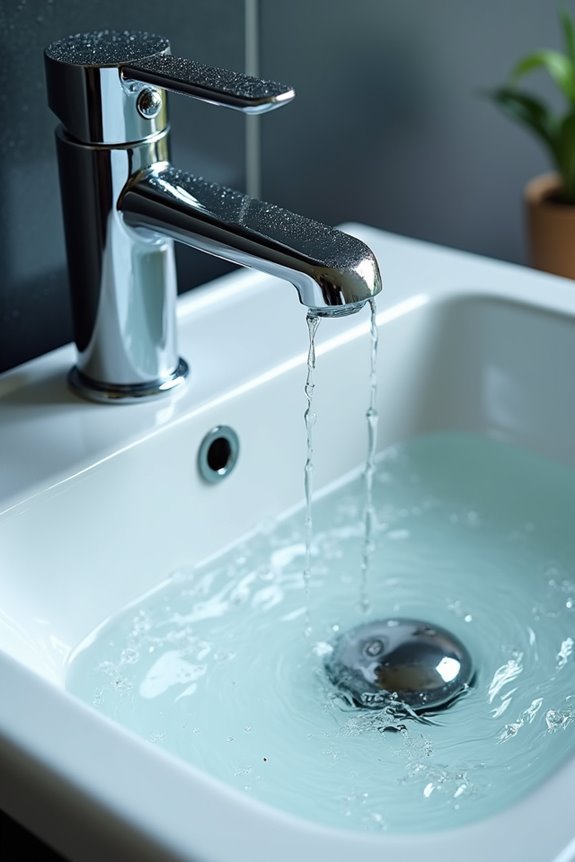
If you’re noticing that metallic taste, you’re actually picking up on underground organic chemicals and humic substances—natural compounds in soil that interact with your water and create that funky flavor! The culprits could be iron, copper, lead, or manganese leaching from your pipes and fittings, or even new rubber components releasing compounds into your system. Here’s the thing: while that taste alone might just be annoying, continuous exposure to certain metal contaminants can actually lead to serious health issues like anemia, high blood pressure, and potential organ damage over time.
Chemical Sources And Origins
One of the sneakiest culprits behind that unpleasant metallic or penny-like taste in your tap water? Underground leaching from old plumbing materials. Here’s what’s happening: brass faucets, copper piping, and galvanized steel pipes slowly dissolve metals into your water over time. It’s not your imagination!
Where do these metals come from? Your aging fixtures and corroded plumbing components are prime suspects. When your water chemistry turns acidic, it accelerates this leaching process—kind of like how vinegar eats away at metal. Groundwater carrying iron, manganese, or copper naturally compounds the problem.
Industrial residues buried underground can also contaminate shared water supplies, creating that acrid taste you’re noticing.
Ready for solid answers? A certified lab can test your water and identify exactly which metals are present. Knowledge is power when protecting your family’s health!
Health Risks From Ingestion
What’s really lurking behind that metallic taste you’re experiencing? You might be ingesting copper, iron, or lead seeping from your plumbing—and that’s worth taking seriously for water safety.
Here’s the thing: prolonged exposure to these metal contaminants can genuinely affect your health. We’re talking anemia, where your body struggles producing enough red blood cells. Hypertension, or high blood pressure, becomes another concern. Your kidneys and liver—those hardworking organs filtering everything—can face potential damage too.
The good news? You don’t need to panic immediately. If that metallic taste arrives alongside discoloration, staining, or odd smells, that’s your signal to act. Contact a certified laboratory for formal testing. They’ll identify exactly what’s contaminating your supply, giving you concrete answers and peace of mind about what you’re drinking daily.
Brown, Red, and Orange Stains: Iron and Manganese Buildup
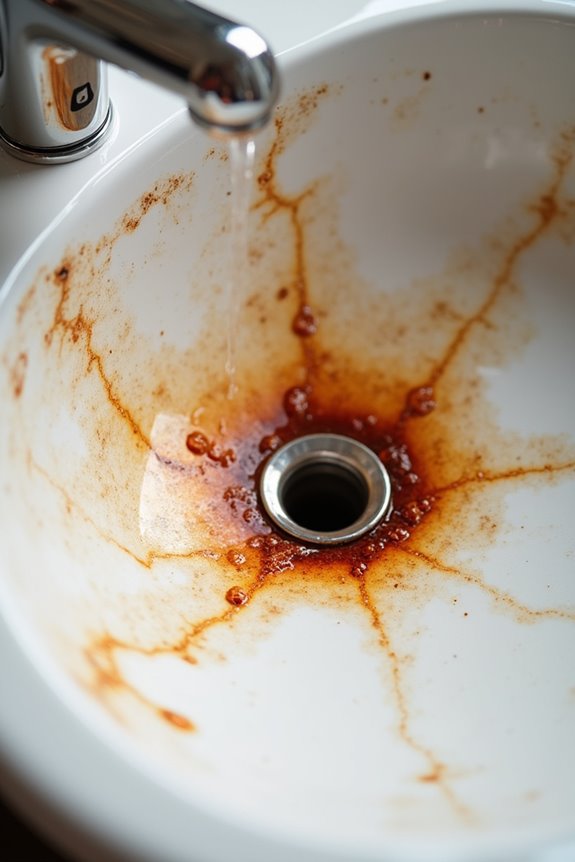
Ever noticed rusty-looking stains on your sink or bathtub that won’t scrub away? Those stubborn brown, red, and orange marks? They’re likely iron and manganese buildup from your groundwater. Here’s what’s happening:
Rusty stains on your fixtures? Iron and manganese from groundwater are likely the culprits behind those stubborn marks.
- Acidic groundwater leaches iron and manganese minerals, which then stain your fixtures
- Visible discoloration appears on plumbing and laundry when concentrations exceed safe guidelines (measured in mg/L)
- Mineral accumulation damages pipes, pumps, and appliances over time through corrosion
The tricky part? Your water might look and taste completely normal despite these contaminants lurking inside. That’s why you can’t rely on appearance alone. You’re not imagining those stains, and honestly, they’re your water’s way of sending an SOS! Get professional laboratory testing done—it’s the only reliable way to know exactly what you’re dealing with and protect your home’s plumbing system.
Blue-Green Stains and Low pH: Acidic Water Corroding Pipes
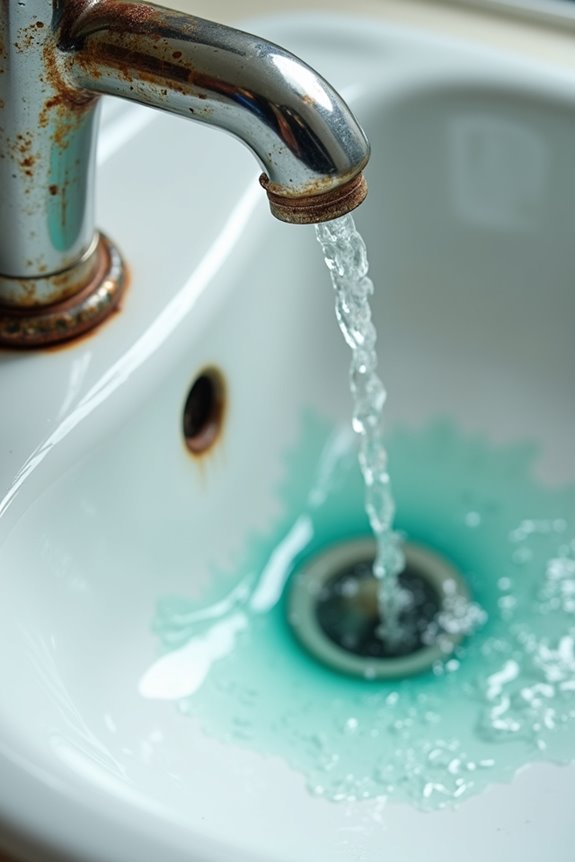
Seeing blue or green stains creeping across your sink or shower fixtures? That’s acidic water at work, and it’s telling you something important about your plumbing’s health. When your water’s pH dips below 6.5, it becomes corrosive—meaning it’s literally eating away at your pipes and metal fittings. You might not taste or smell anything wrong, which makes this sneaky problem dangerous.
| pH Level | Water Type | Pipe Risk |
|---|---|---|
| Below 6.5 | Acidic water | High corrosion |
| 6.5–8.5 | Neutral | Safe |
| Above 8.5 | Alkaline | Low risk |
Here’s the thing: those blue-green stains signal potential rust and mineral leaching happening behind your walls. In Ireland especially, this issue’s been linked to mains water problems. Don’t guess—get a professional drinking water analysis done. Home test kits often miss these corrosion issues entirely.
Rotten Egg Smell: Hydrogen Sulfide in Your Water
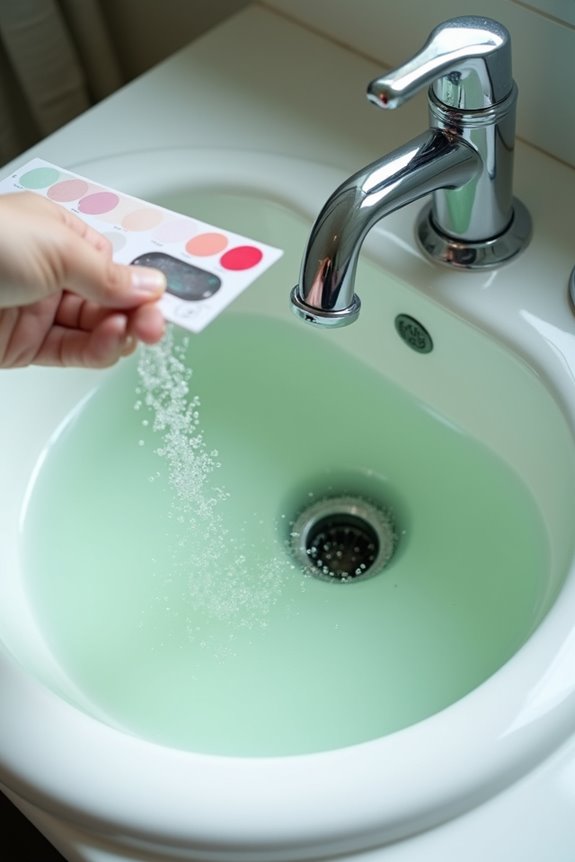
A nasty rotten egg stench coming from your tap is your water’s way of sending an SOS signal! That smell? Hydrogen sulfide gas. It’s sneaky—releasing from your water when exposed to air, then vanishing just as quick.
A rotten egg smell from your tap signals hydrogen sulfide gas—your water’s SOS for help.
Here’s what’s happening in your pipes:
- Hydrogen sulfide corrodes metal surfaces, attacking pipes and heater elements
- The gas creates that unmistakable rotten odor you’re noticing
- Testing at the source reveals whether it’s truly present
Don’t panic though! You’re not alone in facing this. Laboratory analysis gives you accurate answers instead of guessing with home tests. Getting your water tested protects your plumbing and improves your water’s taste and smell. It’s a smart move toward safer drinking water.
Why Bathroom Plumbing Stagnates (and Why That Matters)
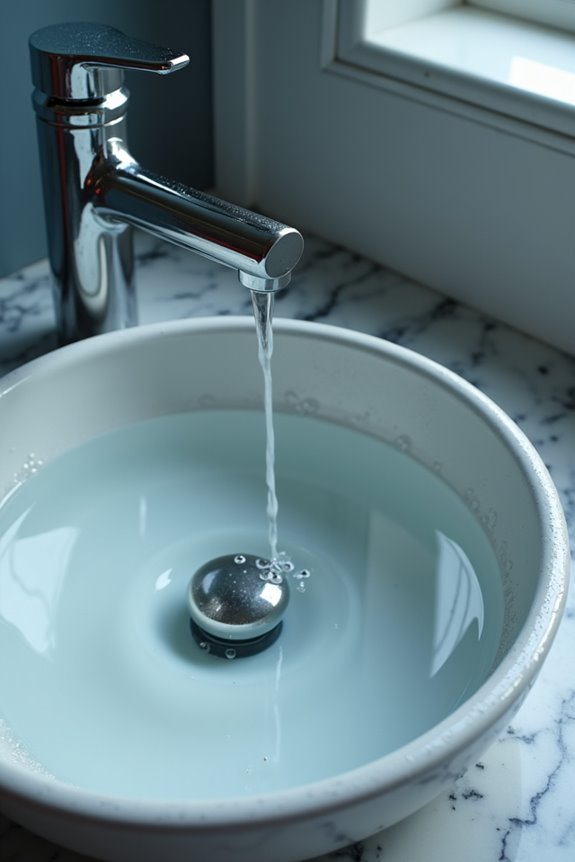
Here’s something you probably don’t think about: water sitting in your bathroom pipes for hours or even days creates the perfect storm for trouble! When water isn’t flowing regularly—like in a guest bathroom or that sink you rarely use—it hangs around long enough to leach metals like copper and lead from older pipes, while bacteria and biofilm happily build up on the inside of fixtures and showerheads. The longer that water sits there in cold spots or warm corners of your plumbing, the more corrosion happens and the greater your safety risks become!
Water Residence Time Risks
Why does water sitting in your bathroom pipes become riskier to drink than water from your kitchen tap? The answer lies in stagnation—that prolonged sitting time that lets contaminants accumulate.
When water doesn’t flow regularly through bathroom lines, three dangerous things happen:
- Metals leach from older fixtures into your water, especially copper and lead from lower-grade alloys
- Protective disinfectants dissipate, leaving bacteria and biofilm to develop unchecked
- Mineral buildup and stale odors intensify, creating that metallic taste you’ve probably noticed
Think of it this way: your kitchen tap gets constant use, flushing out debris regularly. Your bathroom sink? It sits idle. That extended residence time—sometimes hours between uses—gives contaminants serious opportunity to concentrate.
You’re not being paranoid noticing that difference. Your instincts are spot-on.
Stagnation And Bacterial Growth
Now you’ve got the bigger picture about metals and disinfectants—but here’s the real troublemaker: the bacteria that thrives when your bathroom water just sits there doing nothing. Stagnation is basically a bacteria buffet. When water doesn’t move through your pipes regularly, microbes colonize tap aerators, showerheads, and hose interiors, forming slimy biofilms. Here’s the kicker: chlorine dissipates during stagnation, leaving your water unprotected. Without that chemical guardian, bacteria multiply unchecked. You’re looking at potential pathogens like Legionella in shower lines or common household bacteria in sink lines. The solution? Run your bathroom taps for several minutes before drinking or showering. This flushes stagnant water out, drawing fresh supply from your main line. Simple action, serious protection!
Pipe Deterioration From Disuse
Because bathroom plumbing doesn’t get the constant flow that kitchen or main-line pipes do, you’re dealing with a unique problem: your bathroom’s water supply becomes a slow-motion chemistry experiment.
Here’s what happens during stagnation:
- Copper, lead, and iron leach from aging pipes into standing water
- Sediment and mineral scale accumulate in narrow bathroom lines, affecting flow and taste
- Disinfectant residuals drop, allowing bacteria and odors to develop
Your bathroom pipes aren’t getting that refreshing daily workout! Think of stagnation like leaving a glass of water sitting untouched for days—nothing good happens. The longer water sits motionless in those pipes, the more deterioration occurs.
Running your taps for a few minutes daily actually helps. You’re essentially giving your plumbing a gentle flush, pushing out that stagnant water and keeping everything fresher. It’s simple maintenance that really works!
Lead and Copper: How Bathroom Fixtures Release Heavy Metals
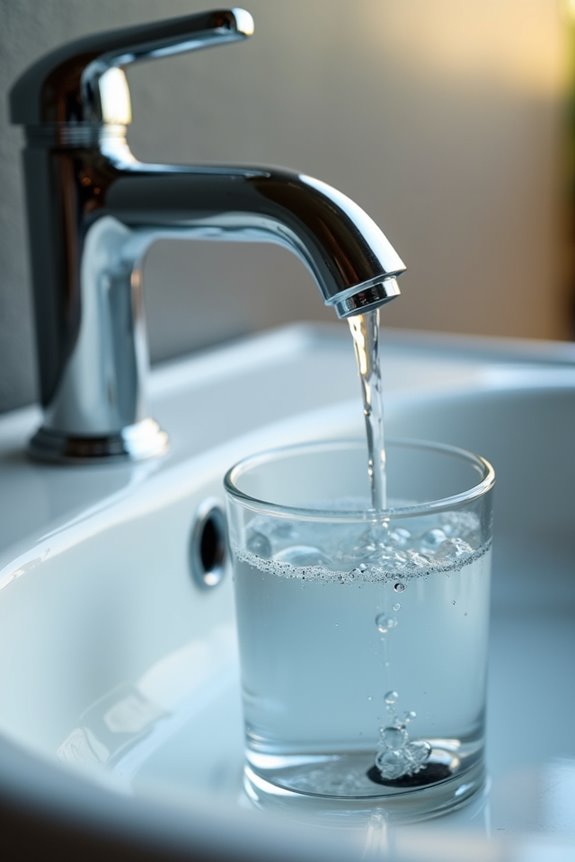
Your bathroom sink’s water quality can actually differ from your kitchen tap—and not always for the better. Here’s why: bathroom fixtures often contain lower-grade alloys and higher lead content than kitchen counterparts. Over time, these materials break down and leach metals into your water supply.
Aging pipes, fittings, and solder joints release copper and lead, especially in acidic water systems. You might notice taste or odor changes—red flags worth investigating! Bathroom fixtures rarely get upgraded or filtered like kitchen systems do, creating perfect conditions for metal contamination.
The good news? You’ve got solutions. Point-of-use filters or whole-house filtration systems effectively reduce copper and lead levels. By treating water at the source and through fixtures, you’re protecting your family’s health. Don’t ignore these warning signs—take action today!
Professional Water Testing: Why Home Kits Fall Short
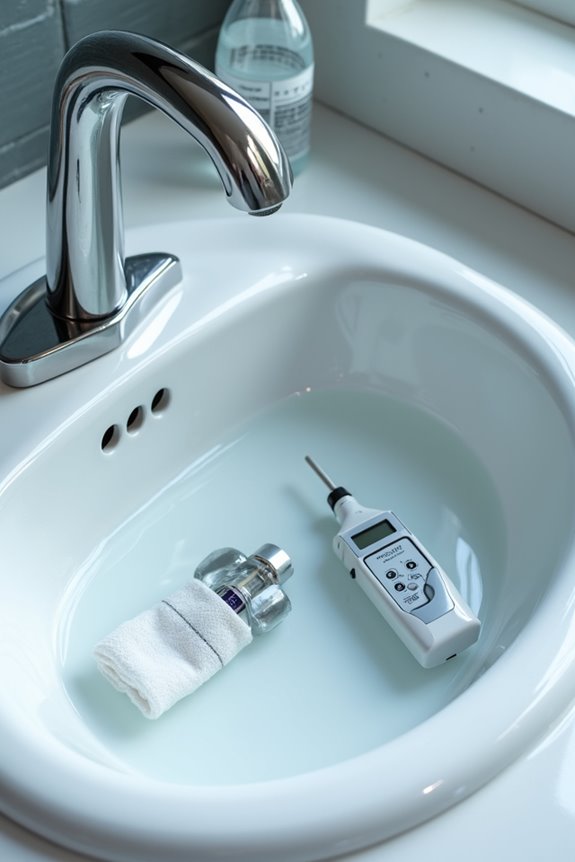
You’ve probably noticed those $15-30 home testing kits at hardware stores, right—but here’s the thing: they’re really just checking for presence or absence of contaminants, not actually measuring how much is there like a certified lab does. Professional laboratories (think INAB-recognized facilities like IAS Laboratories) use sophisticated equipment that catches a way wider range of harmful substances—heavy metals, bacteria, chemicals—that DIY kits might completely miss, giving you false confidence that your water’s safe when it actually isn’t. Your bathroom sink water deserves real answers backed by certified analysis, not guesswork!
Laboratory Analysis Accuracy Standards
Why’s it so hard to trust those home water testing kits sitting on store shelves? You’re right to be skeptical! Professional laboratories maintain laboratory analysis accuracy standards that consumer kits simply can’t match.
Here’s what sets accredited labs apart:
- Standardized methods – They follow validated procedures eliminating guesswork and false results
- Advanced detection – Sophisticated equipment catches contaminants your home kit might miss entirely
- Certified expertise – Trained professionals interpret findings and recommend solutions you’d never discover alone
Think about it: your health depends on knowing what’s actually in your water. INAB-recognised laboratories deliver certified results backed by rigorous quality control. You’re not just getting numbers on paper—you’re getting peace of mind and actionable guidance. That’s the difference between hoping your water’s safe and knowing it genuinely is!
Limitations Of DIY Test Kits
How reliable are those colorful test strips you grab at the hardware store? Here’s the truth: DIY test kits often miss dangerous contaminants that laboratories catch every time.
Those home kits typically check only basic stuff—pH levels and water hardness. They won’t detect PFAS chemicals, heavy metals, or harmful bacteria that could seriously hurt your health. You’re getting a partial picture, not the complete story.
Plus, improper sample collection ruins results. Wrong containers, bad timing, or storage mistakes skew everything. You think your water’s safe when it actually isn’t.
Professional labs use standardized EPA and ISO protocols with certified equipment. They provide traceability and defensible results you can trust completely. For real peace of mind about your drinking water, skip the DIY strips and invest in proper laboratory testing. Your health deserves that certainty!
Get Your Tap Water Tested: Lab Options and Next Steps
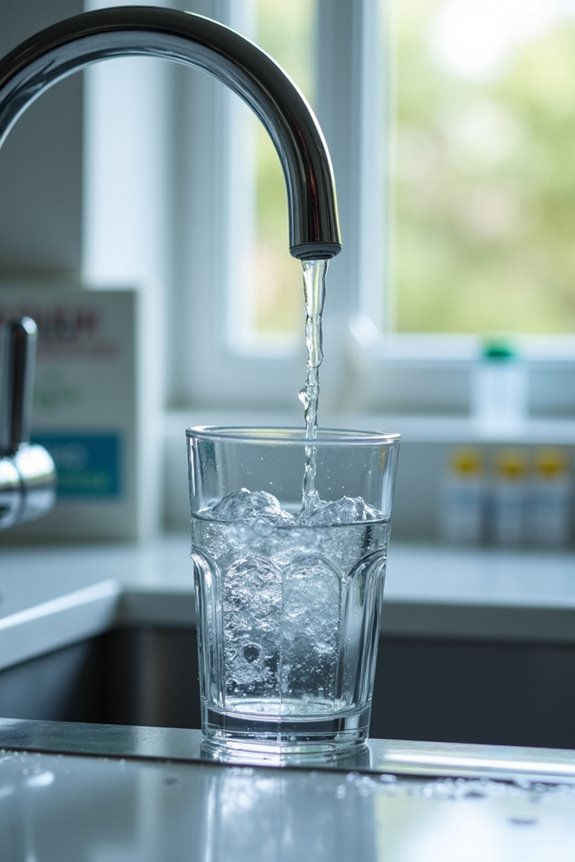
When it comes to knowing what’s really in your water, a certified laboratory test is your best friend—way better than those home kits you can buy online! You’ve got solid options here:
- Contact your local health department for certified lab recommendations
- Request sampling kits and detailed testing instructions they provide
- Review results showing exact contaminant concentrations
Water testing through INAB-recognised labs identifies sneaky problems—things lurking invisibly without affecting taste or smell. Your tap water might look crystal clear but contain harmful germs or chemicals. Private well owners? You’ll need annual testing. Public system users can request quality reports anytime.
Water testing through certified labs reveals invisible contaminants—harmful germs and chemicals hiding in crystal-clear tap water.
Here’s the real deal: one symptom can’t diagnose water issues. Lab analysis pinpoints exactly what’s wrong and guides treatment options. Start today by calling your health department. You’re taking control of your family’s safety!
Improve Bathroom Water Quality Without Drinking It
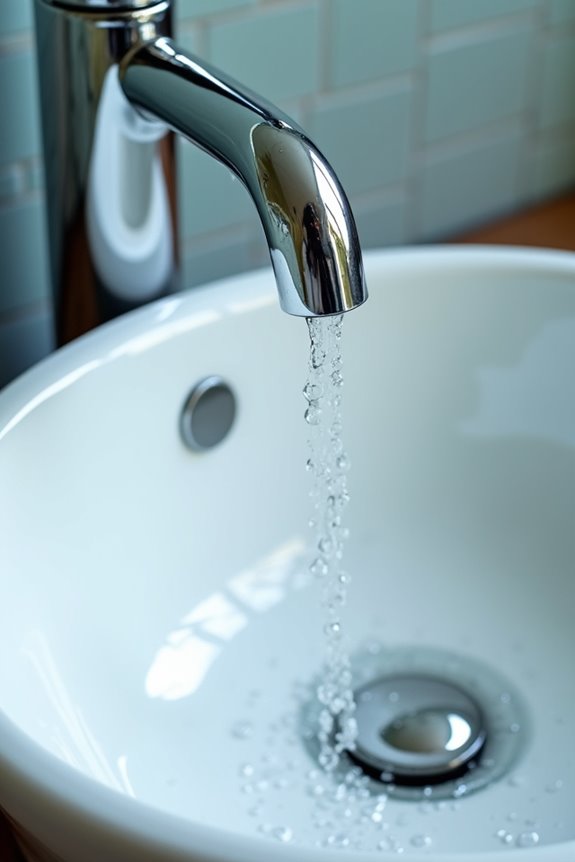
Your bathroom water doesn’t need to be drinkable to deserve your attention! You can transform your bathroom experience without installing complex systems everywhere. A whole-house approach works best—the Aquasure Harmony Series softener with triple-stage water filtration tackles chlorine, sediment, and odors at your home’s source. This protects every fixture, preventing mineral buildup that dries your skin during showers.
Want targeted solutions? The Fortitude Compact under-sink filter and Sparkle shower filter address specific bathroom concerns without replacing entire systems. Combined filtration and softening reduce harsh chemicals while eliminating that metallic taste.
Here’s the beauty: you’re not forced to drink treated bathroom water. Instead, you’re creating an environment where your skin stays hydrated, your hair feels softer, and every bathroom visit feels fresher. That’s genuine improvement!
When to Call Your Utility or Health Department
Even with the best filters and softeners in place, sometimes your bathroom water needs a professional’s eye. You’re not alone in feeling uncertain about water safety—many of us wonder when to reach out for help.
Here’s when you should contact your utility or health department:
- You notice rotten egg odors, sediment, or rust stains that persist after cleaning
- Your water fails a state-certified lab test or shows contamination
- You experience unexplained illness after drinking bathroom sink water
Public utilities must disclose water quality issues failing EPA standards in annual reports you can request. Private well owners? You’ll need your own testing plan. Don’t hesitate contacting your local health department—they’re genuinely invested in keeping your community safe and want to support you!