
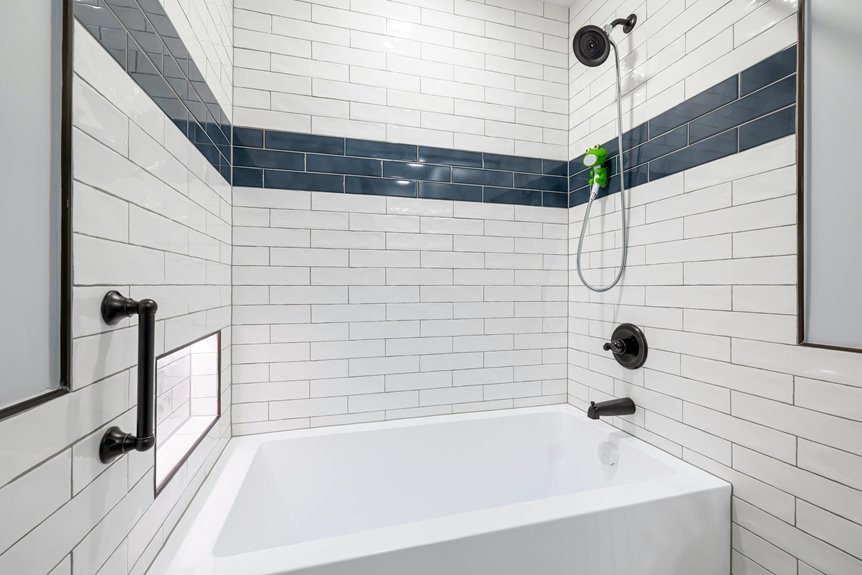
You’ll need a permit for plumbing, electrical work, and structural changes—think moving toilets, running new wiring, or removing walls. Skip permits? You’re risking hefty fines, insurance denials, and resale nightmares. Cosmetic updates like painting or new vanities in the same spot? You’re good! But here’s the thing: rules vary wildly by location and HOA requirements. A licensed contractor handles this headache, ensuring you stay legal and protected. Stick around to discover exactly what your city requires.
What Requires a Permit in Your Bathroom Remodel
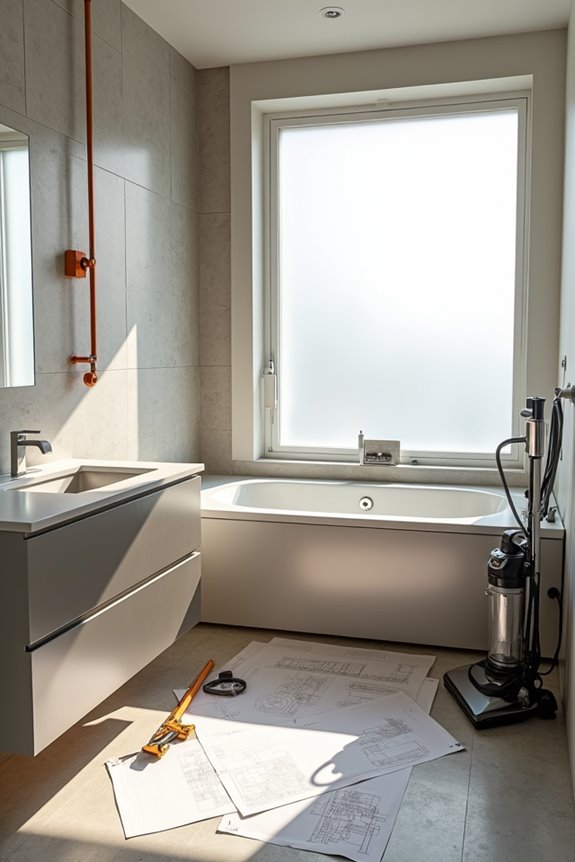
When do you actually need a permit for your bathroom project? Here’s the straightforward answer: you’ll need permitting whenever you’re moving or adding plumbing fixtures, running new electrical work, or making structural changes like removing walls or adding windows.
You’ll need a permit whenever you’re moving or adding plumbing fixtures, running new electrical work, or making structural changes.
Think of it this way—if you’re touching the bones of your bathroom, permits are required. New plumbing lines? You need one. Rewiring circuits for that heated towel rack? Definitely need one. Moving your toilet to a different spot? Absolutely.
But here’s the encouraging news: simple cosmetic updates don’t require permits! Painting, new wallpaper, caulking, or swapping your vanity in the same location? You’re good to go without paperwork.
The key is understanding what counts as structural versus decorative. When in doubt, ask your local building department—they’re genuinely helpful!
Why Florida Bathroom Permits Aren’t Just Red Tape
You might think permits are just bureaucratic hassle, but they’re actually your safety net—they guarantee your bathroom meets building codes that protect your family from electrical hazards, plumbing leaks, and structural problems! Florida’s permits also verify your work can withstand hurricanes and storms, plus they’re essential for insurance claims and selling your home down the road. When you skip permits, you’re risking costly fines, denied insurance payouts, and a home that won’t pass inspection when it’s time to move.
Safety and Code Compliance
Because bathroom renovations involve water, electricity, and sometimes structural changes, permits aren’t bureaucratic obstacles—they’re your safety net! When you pull permits, you’re ensuring that electrical wiring meets current standards and plumbing connects properly to prevent leaks or damage. Code compliance protects you from costly mistakes that could compromise your home’s integrity.
Think of permits as your backup plan. Inspectors verify that ventilation prevents mold, waterproofing keeps moisture contained, and structural supports handle weight correctly. You’re joining a community of smart homeowners who’ve protected their investments through proper channels.
Working with licensed professionals streamlines this process, ensuring inspections happen at the right stages—rough-ins for plumbing and electrical, final checks for everything else. That seal of approval? It’s peace of mind you’ll appreciate for years.
Insurance and Resale Protection
What happens when you skip the permit process and later try to sell your home or file an insurance claim? You’re risking serious consequences!
Here’s why permits protect you:
- Insurance claims get denied – Unpermitted work voids coverage when damage occurs
- Appraisals drop significantly – Buyers discover unpermitted bathrooms, reducing resale value
- Lending complications arise – Lenders won’t finance homes with unpermitted renovations
Think of permits as your financial safety net. When you pull permits and complete inspections, you’re documenting that your bathroom meets Florida’s building codes. This documentation becomes gold when selling—buyers trust permitted work, and appraisers value it accordingly.
Skipping permits might save money initially, but you’ll lose far more later. Licensed professionals handle permit accuracy and proper closeout, protecting your investment for years ahead. Your bathroom upgrade deserves that protection!
Florida’s Storm-Resilience Standards
Ever wonder why Florida’s permits requirements seem stricter than other states? After major storms, enforcement tightens significantly. You’re not just jumping through hoops—you’re protecting your home and your investment!
Florida’s storm-resilience standards focus on waterproofing, ventilation, and hurricane-related safety. Your bathroom renovations must meet these upgraded codes. Why? Because a poorly sealed wall can mean water damage during the next big storm.
| Storm Threat | Required Protection | Your Benefit |
|---|---|---|
| Hurricane winds | Reinforced walls | Home safety |
| Flooding | Elevated fixtures | Damage prevention |
| Water intrusion | Sealed barriers | Long-term savings |
| Mold growth | Proper ventilation | Family health |
| Insurance claims | Code compliance | Peace of mind |
Licensed professionals understand these requirements. They’ll ensure your bathroom renovation meets Florida’s storm-resilience permits standards, keeping your home secure for years ahead!
Why Plumbing and Electrical Work Always Needs a Permit
when you’re tackling bathroom renovations, plumbing and electrical work aren’t the kind of projects you can just DIY without checking in with your local building department first.
Why? Because you’re joining a community of homeowners who understand that safety matters! Here’s what you need to know:
- Moving fixtures – Relocating your toilet or sink requires a plumbing permit since it involves water lines and drainage systems
- Adding outlets – Even one new electrical outlet needs an electrical permit to ensure it meets current safety codes
- Venting changes – Altering plumbing vents or touching load-bearing walls triggers inspections
Licensed professionals handle your bathroom permits, inspections, and code compliance seamlessly. They’re your partners in creating a safe, beautiful bathroom you’ll love for years!
When Structural, Mechanical, and Layout Changes Need Permit Approval
So you’re dreaming of knocking down that wall between your bathroom and bedroom to create a sprawling spa-like space? That project absolutely needs a permit! Here’s why: structural changes require permit approval because they affect your home’s integrity. When you relocate load-bearing walls, add windows, or install skylights, you’re triggering permit requirements. Similarly, bathroom remodeling that involves new ductwork or HVAC components demands permits. Opening walls to expand space? Yep, permits needed. These changes aren’t cosmetic—they’re serious modifications affecting safety and drainage. Your local building department reviews plans to ensure everything meets codes. Think of permits as your protection! They guarantee your bathroom remodel is done right, keeping your home safe and your renovations legitimate. Worth the extra steps!
Permit Requirements You Might Miss: Drainage, Luxury Features, and Dumpsters
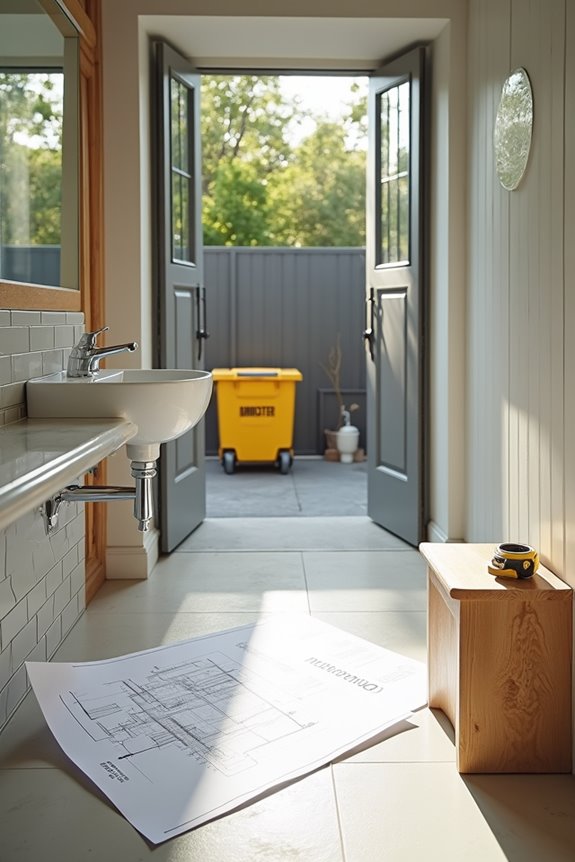
You’d be surprised how many bathroom renovators overlook permits for the sneaky stuff that actually matters—like drainage changes, those luxe heated floors or steam showers that need electrical work, or even parking a dumpster on the street! Most people think “it’s just cosmetic,” but the moment you touch plumbing vents, shift a toilet location, or install a high-powered system, you’re triggering inspections that you can’t skip. Catching these requirements upfront saves you from costly fines and project delays down the road!
Drainage System Modifications
Why do so many bathroom renovations hit unexpected permit snags? Drainage modifications are major culprits! You’re not alone if you’ve overlooked this critical area.
Here’s what catches renovators off guard:
- New shower pans require drainage permits even when other work seems cosmetic
- Modifying drainage systems triggers plumbing inspections that reveal code violations
- Venting changes cascade into multi-permit scenarios affecting your entire project timeline
Even minor drainage modifications demand permits in most jurisdictions. Moving a drain line, installing luxurious rainfall showerheads, or adjusting slopes—all require approval. Why? Because improper drainage creates costly water damage and code violations.
Working with licensed professionals ensures your drainage modifications comply with local rules. They’ll navigate the permit maze, securing necessary approvals and scheduling inspections. Trust me, catching these requirements upfront saves headaches, money, and time!
High-End Feature Installations
When you’re dreaming about that gorgeous steam shower or heated bathroom floor, here’s the reality check: those luxury upgrades aren’t just about aesthetics—they’re permit nightmares waiting to happen!
Steam showers demand electrical permits because they require substantial wiring work. Heated floors? Same deal—those toasty tiles need serious electrical installations. You’ll also need plumbing permits when relocating pipes or installing new shower pans.
Here’s what catches most homeowners off guard: these luxury features trigger multiple permits simultaneously. Your inspector might require extra inspections beyond standard bathroom work. The timeline stretches from days into weeks, not because inspectors are slow, but because your project scope expanded considerably.
Think of permits as your team’s safety net. They ensure your dream bathroom doesn’t become a safety hazard!
Dumpster Placement Permits
that big dumpster sitting in front of your house might actually need its own permit!
You’d think your bathroom renovation permit covers everything, right? Wrong! Many cities require a separate dumpster permit for street placement. Here’s what you need to know:
- Street obstruction rules – Your dumpster can’t block the public right-of-way without permission
- Municipal coordination – Contact code enforcement before placement to avoid fines
- Safety markings – Proper permits ensure your dumpster’s marked correctly for pedestrians
Don’t learn this the hard way like some neighbors I know! That dumpster blocking the sidewalk? That’s a violation. Before renting one, call your local building department. Most charge a small fee for verification, but skipping this step costs way more in penalties. Trust me—one quick phone call prevents serious headaches!
What You Can Update Without a Permit
Good news—you don’t always need to jump through hoops before giving your bathroom a fresh look! Many permit-free updates let you transform your space without bureaucratic delays. You can paint walls, add wallpaper, install new caulk, swap hardware like towel bars, and refinish floors without permits in most places. Small fixture swaps—think replacing your vanity in the same spot without relocating plumbing—often qualify as permit-free updates too. Countertop installations and storage additions that don’t anchor to studs usually slip through without approval. These bathroom remodels keep costs down and timelines shorter! However, here’s the catch: rules vary greatly by location. Before starting any project, contact your local building department to confirm what applies in your area. Their guidance ensures your renovations stay compliant and hassle-free!
The Risk: What Happens If You Skip a Required Permit

Ever wonder why your contractor keeps pushing you to get that permit? Skipping required permits might seem like a shortcut, but you’re actually setting yourself up for serious headaches!
Here’s what happens when you choose unpermitted work:
- Heavy fines and penalties – You’ll face daily fines up to $1,000 per violation, plus potential jail time in some jurisdictions
- Insurance nightmares – Claims get denied if damage links to unpermitted renovations, and insurers may cancel your coverage entirely
- Resale troubles – Future buyers and lenders demand permits and documentation; your home becomes harder to sell
When issues surface later, you’ll need retroactive permitting (getting permission after the fact), inspections, and possible rework to meet code standards. That adds thousands in unexpected costs and delays!
Trust me—getting permits upfront saves you major stress and money down the road!
Why Your City’s Rules Differ From the Next Town Over
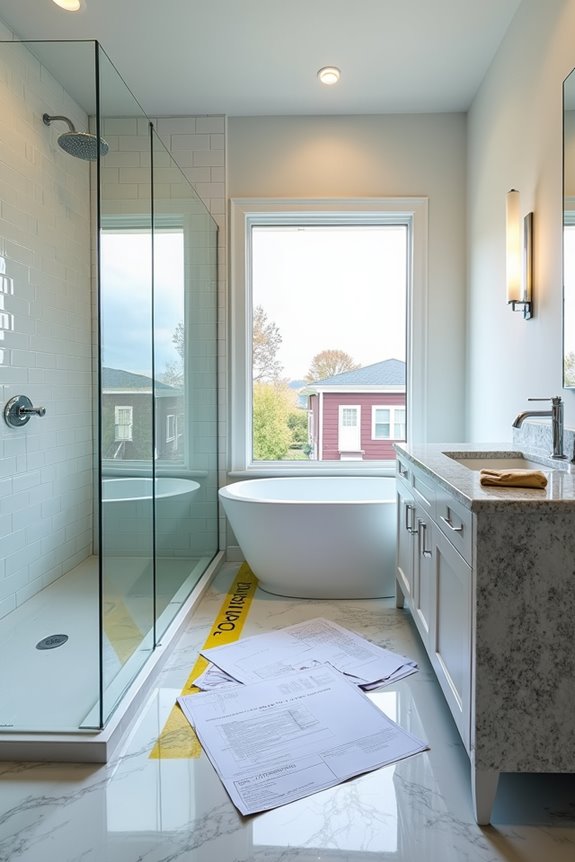
Why does your neighbor’s bathroom renovation need a permit while your friend’s identical project down the street doesn’t? Welcome to the confusing world of local codes!
Local building codes vary by jurisdiction, making permit requirements confusing—your neighbor’s project might need one while your friend’s identical work doesn’t.
Here’s the thing: your city’s building department sets rules that another town’s doesn’t. Denver requires permits for structural changes, plumbing work, and electrical modifications. But Larimer County? They’re stricter, needing permits for most remodels. Jefferson County takes a middle road, focusing on walls, windows, and utility changes.
The same tile installation that’s perfectly fine cosmetically in one place might trigger permit requirements elsewhere. Building codes vary dramatically based on local safety priorities and infrastructure concerns.
Your move? Call your building department before swinging that hammer. They’ll clarify exactly what you need. Trust me, asking now beats facing problems later!
HOAs and Condos: Extra Approvals You’ll Need to Plan For
Now here’s where it gets even trickier: if you live in an HOA or condo, you’re not just dealing with your city’s building department—you’ve got another gatekeeper!
Your association reviews bathroom renovations separately from the permit process. Here’s what you’re facing:
- Alteration agreements – Your HOA requires written approval before you start
- Their own architect review – They’ll validate your plans independently
- Contractor verification – You’ll need proof of licensing and insurance
Major layout changes face extra scrutiny because plumbing and electrical lines stack vertically across units. That’s why associations monitor these projects closely! Working with a vetted contractor who coordinates between trades and your HOA prevents costly rework. Think of HOA approval as another permit entirely—it adds timeline steps beyond your city’s review. Plan accordingly, and you’ll navigate this smoothly!
Plan for Delays: Post-Storm Permit Processing Times in Florida
How long should you actually expect to wait for your bathroom permit in Florida? Honestly, it’s trickier than you’d think. Post-storm backlogs can stretch processing times from days into weeks, depending on how extensive your remodel is and how swamped your local building department feels. Review schedules get backed up. Inspectors get overwhelmed. It happens!
Here’s the reality: your permits aren’t moving at lightning speed. Multiple inspection points mean several review stages, not just one final approval. If any intermediate work fails code requirements, you’re waiting even longer.
This is where having a partner like Tri-Town Construction really helps. We track every permitting step and inspection schedule, minimizing delays so your bathroom remodel keeps moving forward despite those post-storm bottlenecks. You’re not stuck wondering what’s happening—we’ve got you covered.
Work With a Licensed Contractor to Get Permits Right
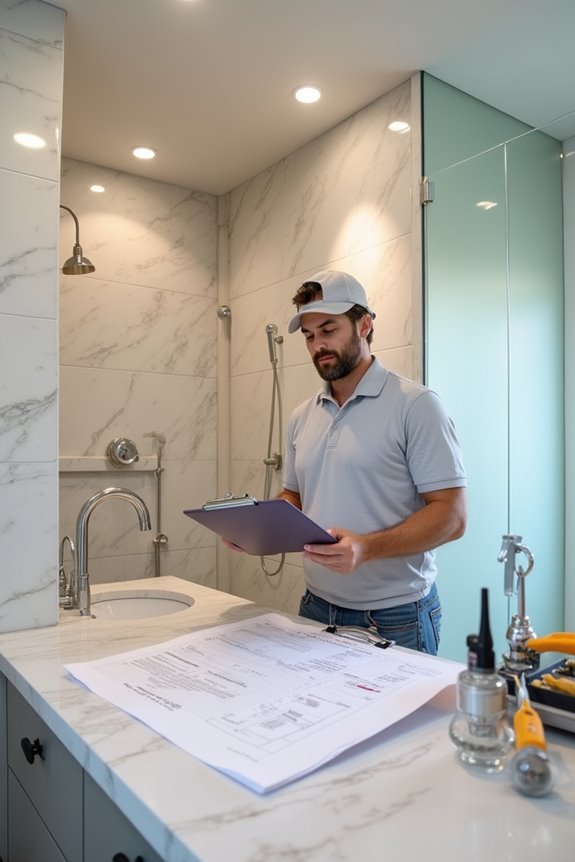
When you’re ready to plunge into your bathroom renovation, partnering with a licensed contractor isn’t just a nice idea—it’s your best move! Here’s why contractors are your renovation teammates:
- They handle permits and inspections – Your contractor pulls all necessary paperwork and coordinates inspections, reducing your stress and ensuring code compliance.
- They know the rules – Licensed contractors understand local building codes that protect your home’s safety and value.
- They prevent costly mistakes – Proper permits catch problems early, saving you thousands in rework later.
Think of your licensed contractor as your renovation guide. They’ll navigate permit timelines, communicate with inspectors, and keep everything on track. You’re not tackling this alone—you’ve got an experienced professional in your corner ensuring your bathroom transformation stays legal, safe, and beautiful!