You’ll need to check your city’s specific ordinance first—Texas doesn’t have statewide rules, so what’s allowed varies by neighborhood. Contact your local planning department to learn lot size requirements, setback distances (typically 3 feet from property lines), and whether roosters are permitted. You’ll likely need a permit, possibly requiring an educational certification on coop design and hen care. Once approved, build your coop with proper ventilation, 10 inches of roosting space per bird, and manage waste weekly. Stay compliant through annual permit renewals and documentation. Want to understand the exact steps for your situation?
Check Your City’s Chicken Ordinance
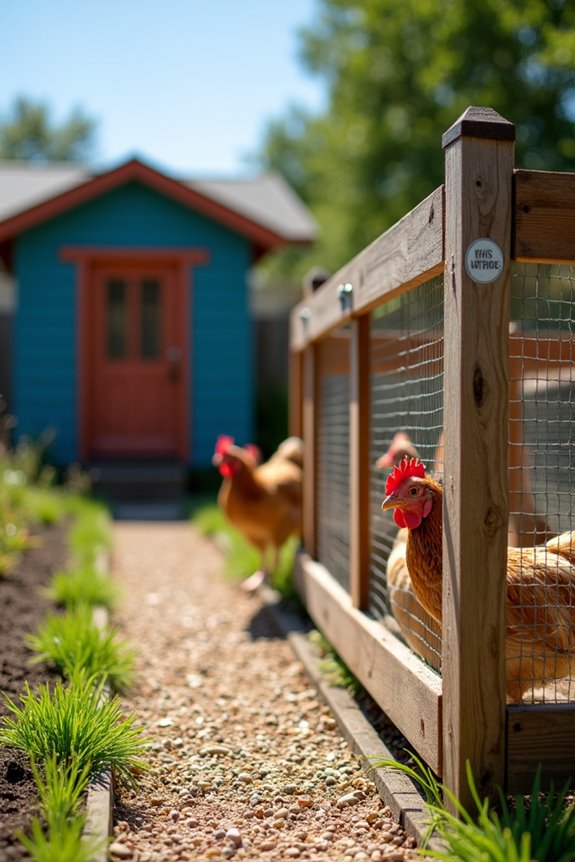
Before you order that cute chick from the hatchery, here’s the thing: you’ve got to check what your specific city allows! Texas doesn’t have one statewide rule—instead, each city makes its own city ordinance about backyard chickens. What’s legal in Austin might be totally different from your neighborhood’s rules.
Start by finding your city’s Municipal Ordinances online or calling your local planning department. They’ll tell you the specifics: minimum lot size, how far your coop must sit from neighbors’ property lines, and whether roosters are allowed (spoiler: usually not!). Some cities require permits with annual fees. Others limit flock size based on your lot. A few even prohibit chickens in newer neighborhoods entirely. Don’t skip this step! Getting it right saves you headaches later.
Find Out Which Chicken Breeds Your City Allows
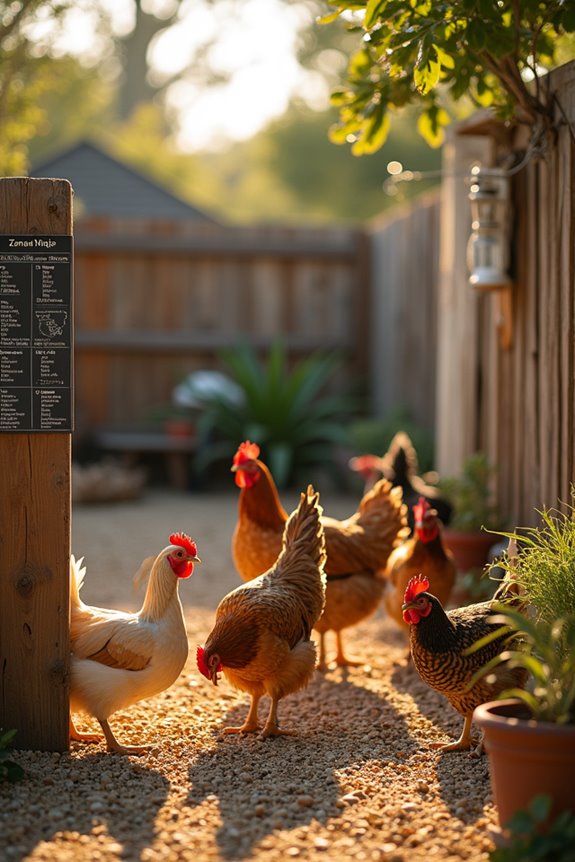
It’s true! Your city ordinance restrictions might limit certain breeds or ban roosters entirely. Before you fall in love with those fancy Silkies or Bantams, verify what’s actually allowed where you live.
Here’s what you need to check:
- Rooster prohibitions: Many Texas cities ban roosters completely due to noise concerns
- Breed-specific rules: Some ordinances restrict large fowl or aggressive breeds
- Nuisance considerations: Your city might prohibit breeds known for loud vocalizations or strong odors
Don’t get caught off guard! Contact your local municipal office and ask about city ordinance restrictions specifically. Some cities only permit hens, while others embrace variety. You’ll feel confident knowing exactly which feathered friends you can welcome home. Getting this detail right means you’re already building your chicken journey responsibly!
Check Zoning Rules, Quantity Limits, and Setback Distances
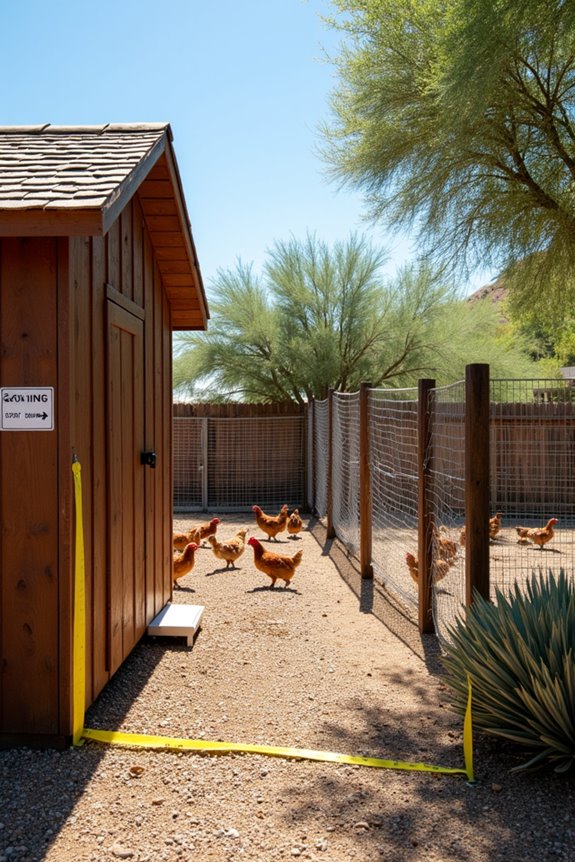
Now that you’ve confirmed which breeds work for your area, it’s time to zoom out and look at the bigger picture—your property itself. Your city’s zoning rules determine everything about your chicken setup. You’ll need to verify whether chickens are even allowed on your lot type, then discover exactly how many you can keep.
| Requirement | What It Means | Your Action |
|---|---|---|
| Zoning District | Your property’s permitted uses | Check city website or call planning department |
| Setback Distance | How far coops must be from property lines | Measure 30+ feet from neighbors’ boundaries |
| Lot Size Minimum | Square footage needed for chickens | Verify your property qualifies |
Distance requirements matter tremendously! Most cities demand setbacks of 30 feet or more from neighboring properties. Larger lots with 50+ feet clearance often allow more birds. You’ll also confirm roosters aren’t permitted and that your coop meets all structural standards. This groundwork saves headaches later!
Apply for Required Permits and Licenses
Ready to make your backyard chicken dream official? You’ll need to contact NRH’s Neighborhood Services Department to secure your annual permit—and here’s the good news: there’s no permit fee!
Before you apply, you’ll complete these essential steps:
- Take a required educational course covering hen care, coop specifications, and exercise areas
- Prepare a detailed site plan showing your coop’s exact location and measurements
- If renting, obtain notarized landlord approval confirming you’re allowed to keep chickens
Once you’ve checked those boxes, you’re ready to submit! This process ensures you’re following setback distance rules and flock size limits based on your property. Think of it as your official welcome into NRH’s backyard chicken community. You’ve got this!
Complete Mandatory Chicken Care and Coop Design Certification
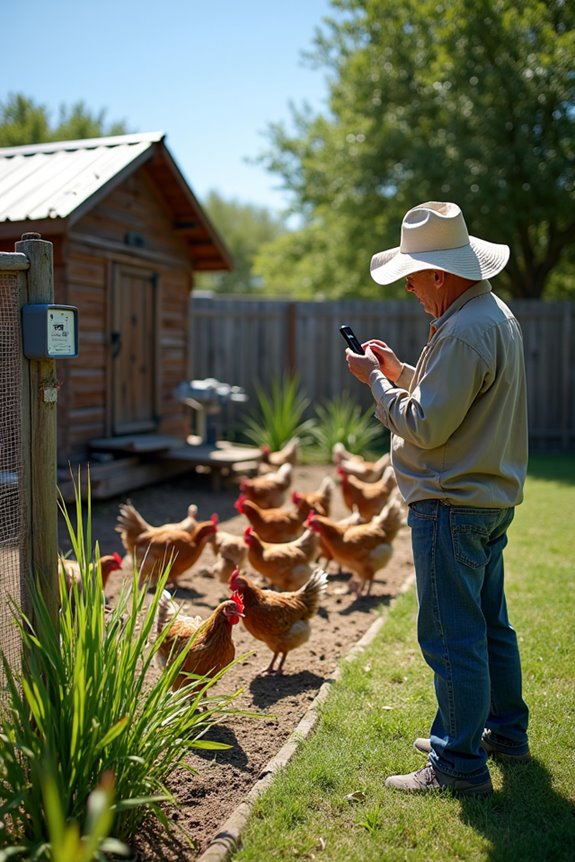
Before you build that first coop board, you’ll need to complete NRH’s mandatory chicken care and coop design certification—and honestly, it’s not as intimidating as it sounds!
This educational course covers everything you need: proper chicken care, coop construction, and exercise area specifications. You’ll learn exactly how to create a compliant site plan that demonstrates your coop meets setback requirements and fencing standards—basically, how far structures must sit from property lines.
The certification process ensures you’re ready for backyard chickens. You’ll understand ventilation needs, nesting boxes, and roost heights. Then you’ll submit your site plan for approval, showing inspectors you’ve got this handled.
Here’s the good news: you’ll renew this certification annually alongside your permit, keeping you connected to NRH’s supportive chicken-keeping community while staying completely compliant.
Design a Coop That Meets Local Standards
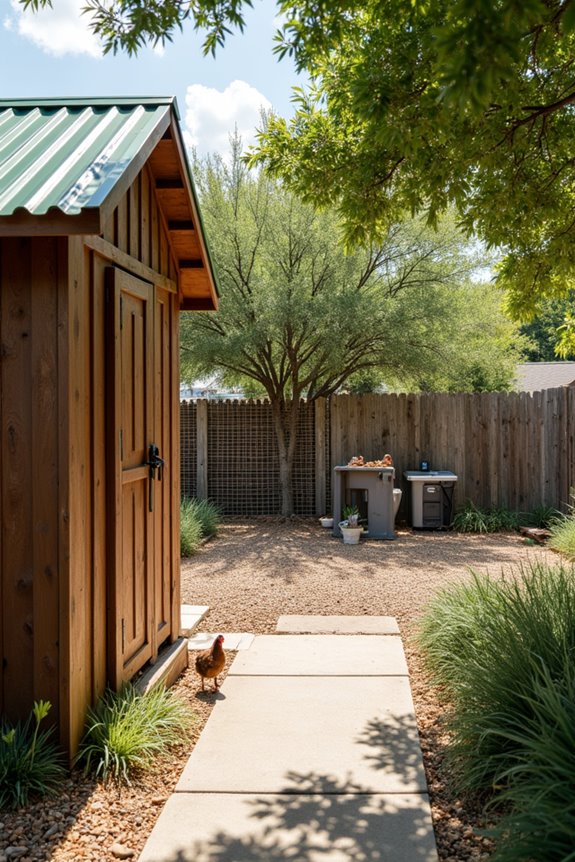
You’ve got to nail the fundamentals—literally—when you’re building your coop, and that means getting the size and spacing right from day one! Your coop needs at least 10 inches of roosting space per chicken and proper distance from property lines, so measure twice and build once to avoid costly mistakes. Smart material choices like predator-proof wire, solid roofing, and secure latches keep your flock safe while meeting local safety standards!
Coop Size And Spacing
How do you build a chicken coop that’ll actually pass inspection and keep your birds happy? Size and spacing matter more than you’d think!
Here’s what you need to know:
- Interior roosting space: Each hen requires at least 10 inches of roosting bar, so four chickens need roughly 40 inches minimum
- Nesting boxes: Plan one box per four birds; this prevents overcrowding and territorial squabbles
- Property line clearance: Position your coop at least 3 feet from property lines or permit-requiring structures
On smaller lots under 1/4 acre? You’ll need that 6-foot fence surrounding everything. Think of spacing as insurance against neighbor complaints and inspection failures. Don’t skimp here—proper dimensions mean healthier backyard chickens and genuine peace of mind!
Material And Safety Requirements
Getting the dimensions right is half the battle—now comes the part that’ll actually keep your chickens safe and your coop standing strong through Texas heat and storms! You’ll want sturdy materials like hardware cloth (not chicken wire) to keep predators out. That flimsy chicken wire won’t stop determined raccoons or snakes, trust me. Your backyard chickens need proper ventilation to survive our scorching summers—aim for vents on opposite sides. Secure all gaps where tiny predators squeeze through. Use rot-resistant wood like cedar for longevity. Install solid roosting bars, roughly 2 inches wide, spaced 12 inches apart so your hens rest comfortably. Those nesting boxes? Line them with straw or wood shavings for comfort. Finally, ensure your coop’s roof handles heavy rain without leaking. Quality construction means healthy, happy chickens!
Secure Landlord Approval if You Rent
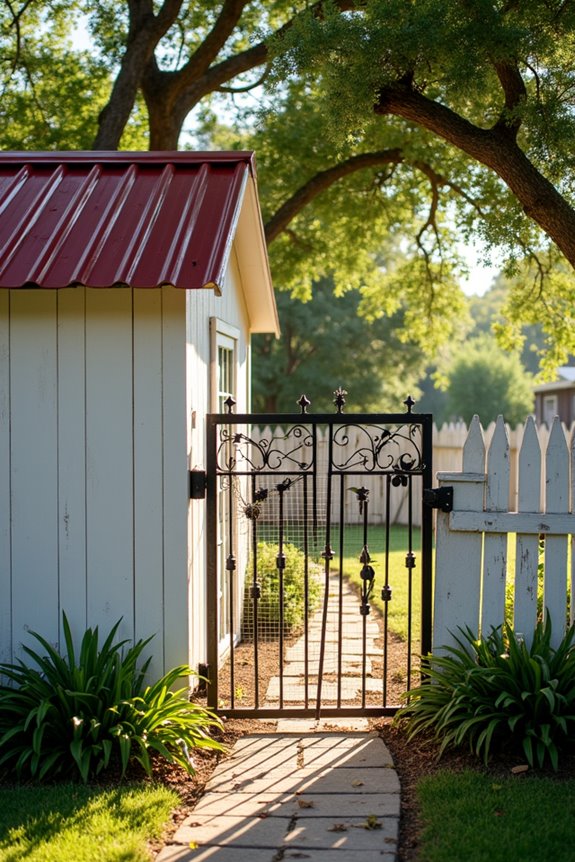
Before you bring home those fluffy birds, you’ll need to tackle three essential steps: reviewing your lease agreement for any hidden restrictions, getting written permission from your landlord (notarized is best!), and having a straightforward conversation about your chicken-keeping plans. Your landlord needs to explicitly approve chicken keeping in writing—this document becomes your golden ticket when dealing with HOA officials or city inspectors. Think of it as protecting yourself and your flock from the headache of fines or forced removal!
Lease Agreement Review
Why doesn’t every renter jump straight into chicken keeping? Your lease agreement holds the answers! Before you build that coop, you’ll need to review what you’ve actually signed.
Here’s what you’re looking for:
- Livestock prohibitions – Check if your lease explicitly bans animals or restricts backyard use
- Property modification rules – Confirm whether you can build structures like chicken coops without landlord approval
- Duration requirements – Ensure your tenancy length aligns with your chicken-keeping plans
Many leases contain hidden clauses that could derail your flock dreams. That’s why landlord approval matters so much! Don’t assume anything’s allowed just because city code permits it. Your lease rules your rental space, period. Grab that agreement, read it thoroughly, then schedule a conversation with your landlord. You’re building trust and protecting your investment!
Written Permission Documentation
You’ll need notarized written permission explicitly authorizing poultry on your property. This document becomes your golden ticket! Keep it valid throughout your tenancy because it protects you both. Some Texas cities or HOAs require you to submit this approval alongside your permit application—don’t skip this step!
Store multiple copies everywhere. One for inspections, one for your records, one safely backed up digitally. Include your landlord’s contact information on file too. This paperwork transforms your chicken dreams from risky to legitimate, giving you peace of mind and community belonging.
Landlord Communication Strategy
How do you turn your landlord from skeptical to supportive? Start by approaching the conversation as a partnership, not a favor. You’ll need landlord approval to legally keep chickens in Northern Richland Hills, so here’s how to present your plan:
- Show the benefits: Explain how chickens reduce kitchen waste and provide fresh eggs for your household
- Detail your setup: Describe your coop’s exact dimensions, location on the property, and required setbacks that comply with NRH rules
- Offer written documentation: Present a draft notarized agreement tied to the property itself, not just your tenancy
Frame this as responsible stewardship. Most landlords respond positively when you demonstrate you’ve done your homework and respect local regulations. You’re not asking for permission—you’re showing you’re a trustworthy tenant who plans ahead!
Set Up Chicken Waste Management and Drainage
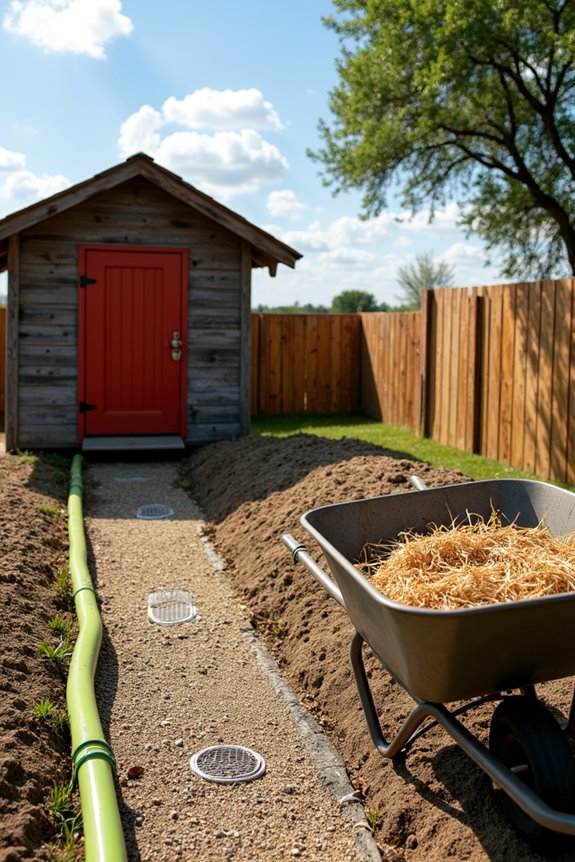
Proper waste management’s genuinely one of the most important—and honestly, least glamorous—parts of keeping backyard chickens in Texas. You’ll remove manure and droppings weekly to stay compliant with local regulations. Here’s the deal: store everything in permanent, insect- and rodent-proof containers. Why? They prevent drainage migration and stop maggots from taking over your setup. Design your coop with proper drainage for wastewater. When feeding your backyard chickens, use impervious containers or platforms—think metal or plastic—to avoid leaks attracting pests. Your water troughs need drainage too, which sounds simple but prevents fly breeding grounds. Get these systems right from the start, and you’ll avoid costly compliance inspections from Neighborhood Services. Trust me, your neighbors will appreciate it!
Prepare Your Chicken Coop for City Inspections
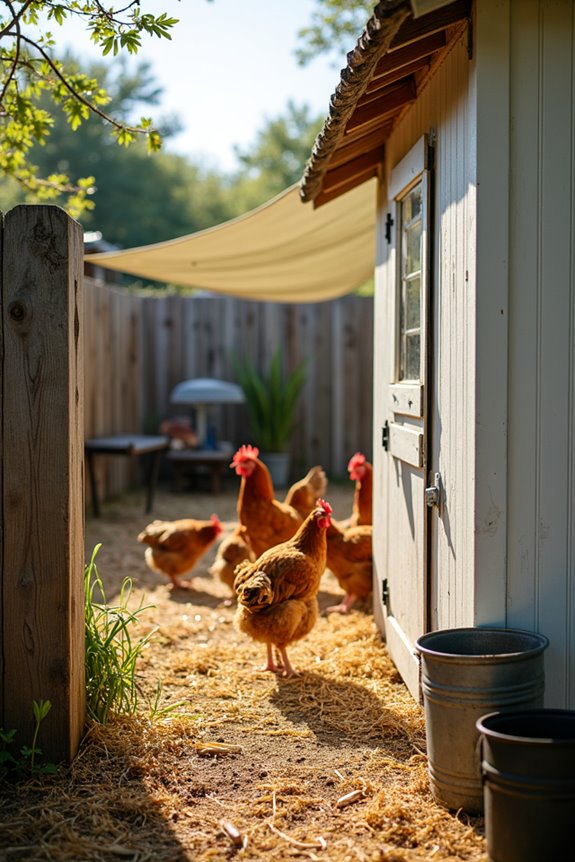
Once your waste management system’s dialed in, it’s time to make sure your actual coop passes the inspection—and let me tell you, this part determines whether you’re keeping chickens legally or getting a notice from the city.
Here’s what inspectors actually check:
- Roosting space and nesting boxes: Measure carefully—each bird needs 10 inches of roosting space, plus one nesting box per four chickens
- Location compliance: Verify your coop sits 3 feet minimum from property lines and permitted structures
- Fencing requirements: If you’ve got less than 1/4 acre, you’ll need that 6-foot fence surrounding your exercise area
Document everything with photos and measurements. This builds your compliance case before inspectors arrive. You’re protecting your backyard chickens investment and proving you’re a responsible neighbor. That’s the community spirit that keeps everyone happy!
Understand the Inspection Process and Timeline
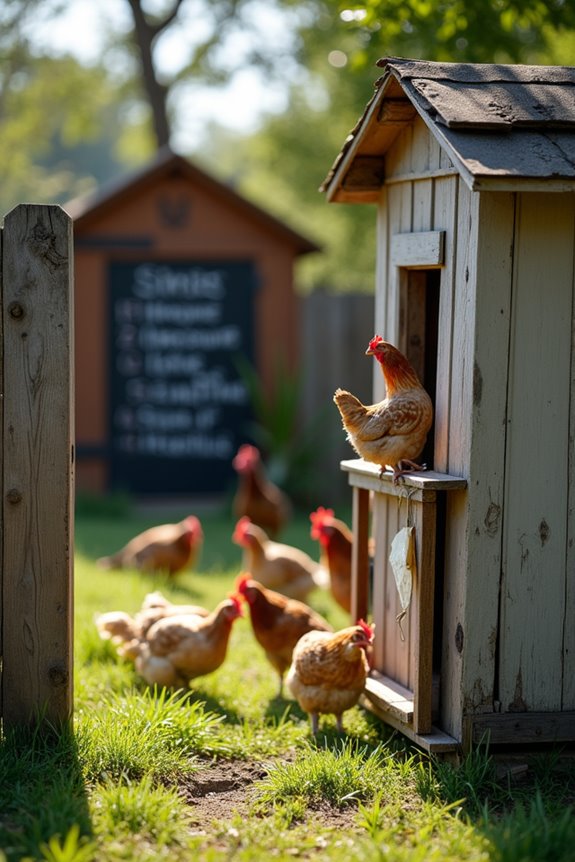
Since you’ve got your coop inspection-ready, here’s what actually happens next—and trust me, knowing the timeline keeps you from those surprise visits that make your heart skip a beat!
Neighborhood Services conducts compliance checks during or after your permit process. They’re looking for those critical details: coops staying three feet from property lines, droppings secured in rodent-proof containers, and drainage systems protecting your neighborhood from contamination.
Neighborhood Services checks coops are three feet from property lines, droppings are rodent-proof, and drainage protects your community.
Violations trigger enforcement actions, so don’t skip steps! Annual enrollment includes completing an educational course on chicken care and site planning—it’s your community’s way of keeping everyone on the same page.
You’ll face inspections if violations get reported, but honestly? Following these standards means you’re golden. Stay compliant with your backyard chickens, and you’ll breeze through every check!
Monitor Ongoing Compliance and Renewal Requirements
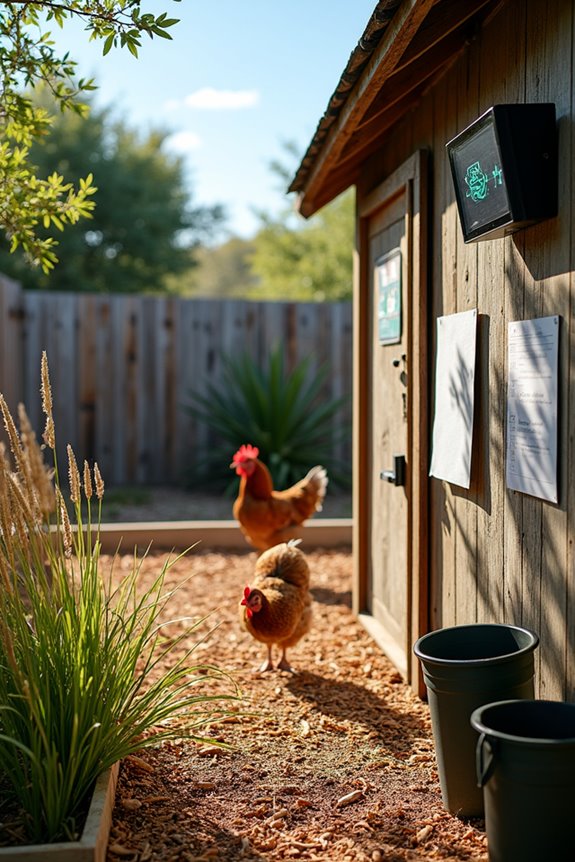
Once you’ve passed your initial inspection, you’re not done—you’ll need to renew your annual Neighborhood Services Department permit each year and stay alert to any ordinance changes that might affect your setup. Keep detailed records of your compliance documentation, including photos of your 6-foot fence, your insect-proof dropping containers, and weekly removal logs, because inspectors will want proof that you’re following the rules! The good news is that staying compliant is pretty straightforward once you’ve got your system down—it’s really just about consistent maintenance and keeping those renewal deadlines circled on your calendar.
Annual Permit Renewal Deadlines
How often do you need to think about your backyard chicken permit after you’ve gotten it approved? Well, here’s the thing—your Texas permit isn’t a one-time deal. You’ll want to mark your calendar because renewal requirements keep you connected to your local community standards.
Here’s what you’re looking at:
- Annual renewals that you’ll need to complete each year to maintain your permit
- Compliance checks ensuring your coop setup still meets distance and zoning rules
- Updated site plans if you’ve made changes to your chicken area
Staying on top of these deadlines prevents headaches down the road. Think of it like renewing your driver’s license—a straightforward process that keeps everything legit. Your neighborhood services team’s got your back, and staying current shows you’re a responsible chicken keeper. You’ve got this!
Local Ordinance Changes and Updates
What happens after you get your permit approved—does the work really stop there? Not quite! You’ll need to stay on top of annual renewal deadlines and monitor any ordinance changes affecting your backyard chickens. Northridge updates its regulations periodically, so staying informed keeps you compliant and your flock safe.
| Requirement | Action Items |
|---|---|
| Annual Permit Renewal | Submit before deadline each year |
| Ordinance Updates | Check Neighborhood Services regularly |
| Coop Maintenance | Inspect setbacks and fencing quarterly |
| Educational Updates | Refresh hen care knowledge annually |
| Property Changes | Report modifications to authorities |
Think of it like car registration—you wouldn’t skip that yearly renewal! Stay connected with your local Neighborhood Services Department. They’ll notify you about rule changes affecting your setup. Staying proactive means enjoying your backyard chickens without stress or surprises!
Inspection and Compliance Documentation
Your permit isn’t a one-and-done deal—you’ll need to keep your documentation current and stay ready for inspections!
Here’s what matters for backyard chickens compliance:
- Keep records handy. Store your permit, site plan, and educational course completion certificate somewhere accessible. You’ll want these ready if an inspector shows up!
- Expect compliance checks. The Neighborhood Services Department conducts inspections when violations get reported. They’ll verify your coop meets distance requirements (30 feet minimum from property lines) and your chicken count matches your lot size allowance.
- Renew annually. Your permit expires yearly, so mark your calendar! Reapply before expiration to maintain legal status.
Think of yourself as a responsible chicken keeper joining your community’s backyard farming movement. Staying organized protects your flock and keeps you in good standing with local regulations.