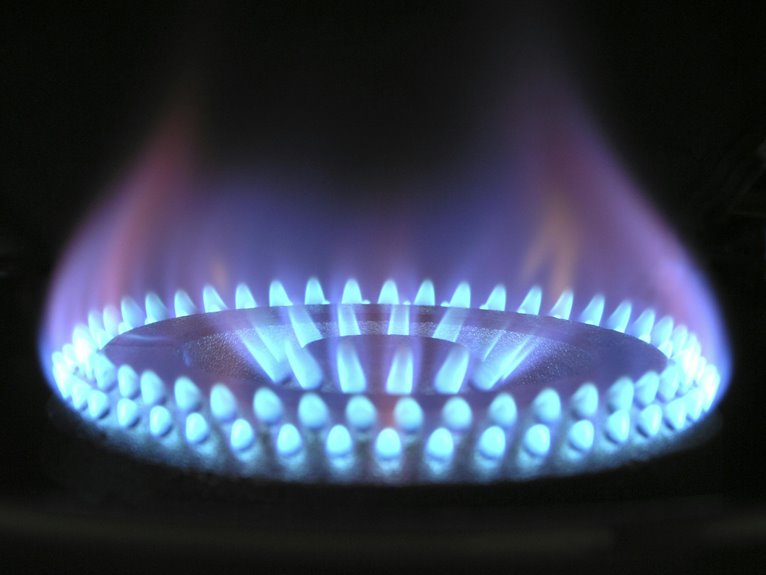
No, your gas fireplace doesn’t need a traditional chimney! You’ve got options: direct-vent systems pull fresh air in and exhaust combustion byproducts outside through separate pipes—a sealed, efficient setup. Natural venting uses a chimney-like structure where hot gases naturally rise outdoors. Power vents employ electric fans for homes without chimneys. Or go vent-free to recirculate heat, though you’ll need carbon monoxide detectors and proper airflow. Each method has tradeoffs worth exploring further.
Does a Gas Fireplace Actually Need a Chimney?
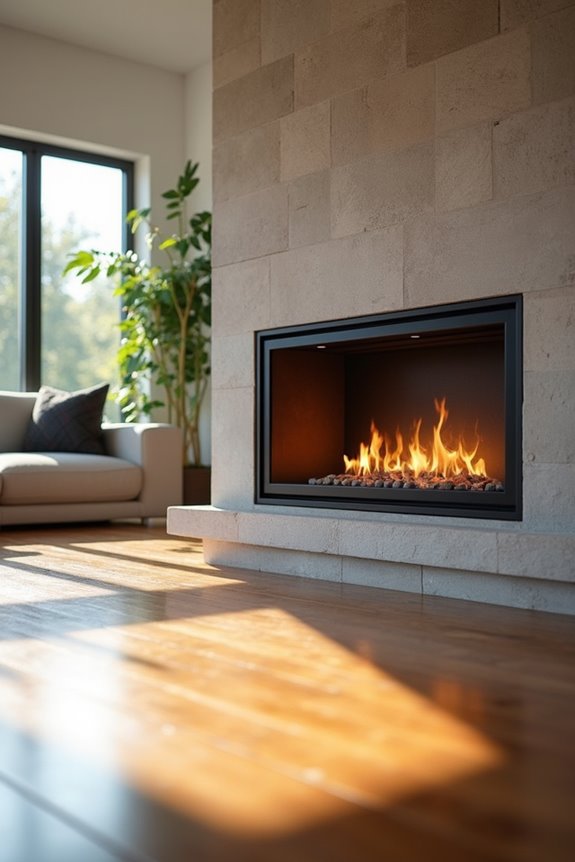
you don’t need a traditional brick chimney to enjoy a beautiful gas fireplace!
You’ve got several venting options that work perfectly. Direct vent fireplaces exhaust combustion by-products straight outside through your wall or roof—think of it like giving your fireplace its own exit door. You’ll still get that gorgeous flame and cozy warmth without sacrificing your living space.
Vent-free units? They’re another option that circulates heat right into your room without needing external venting at all. Some people even install gas fireplaces inside existing chimneys, though they don’t actually depend on them for operation.
Here’s what matters most: venting to the outside protects your indoor air quality and keeps your family safe. Want to join thousands of homeowners ditching their old chimney limitations? Talk to a professional installer about which venting option suits your home!
How Direct Ventilation Works for Gas Fireplaces
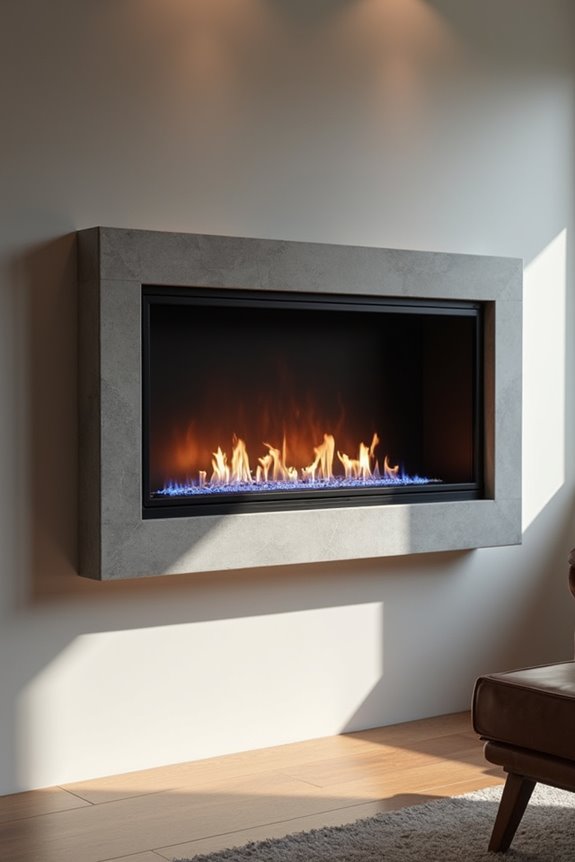
You’ve probably wondered how your gas fireplace actually moves air in and out without a chimney, right? Here’s the magic: your direct-vent system pulls fresh outside air through one pipe while simultaneously pushing combustion byproducts—that’s the exhaust gases and heat—out through a separate pipe, keeping your indoor air clean and safe. It’s like your fireplace has its own dedicated highway system, with traffic flowing in one direction and out the other, so you get all that cozy warmth without any of the mess!
Outside Air Intake Process
Because direct-vent gas fireplaces pull fresh air from outside rather than your home’s interior, they’re genuinely different from traditional fireplaces! You’ll appreciate how this system works to keep your space comfortable and safe.
Here’s how the outside air intake process keeps everything running smoothly:
- Fresh air enters through an exterior intake pipe, drawing oxygen needed for combustion by-products to form
- The dual-pipe venting system separates incoming air from outgoing exhaust, preventing mixing inside your home
- Your direct-vent fireplace creates a sealed loop—nothing escapes into your living space
- This design eliminates backdraft risks, protecting your indoor air quality completely
You’re essentially getting efficient heating without sacrificing safety or comfort. The venting pulls combustion by-products directly outside while maintaining your home’s air integrity. Smart choice!
Combustion Byproduct Exhaust
Where do all those combustion by-products go when your gas fireplace burns fuel? They exit through a direct-vent system! Here’s the magic: your fireplace draws outside air for combustion, then pushes exhaust gases straight outdoors through sealed venting paths. No chimney needed!
Most direct-vent fireplaces feature a glass pane so you’re watching real flames while combustion by-products stay sealed away from your room. This design means you’re breathing cleaner air inside—no nasty particles sneaking into your home.
The key? Keep those venting routes unobstructed. Check periodically for blockages or leaks. Think of it like maintaining your car’s exhaust system. It’s simple maintenance that keeps everything running smoothly.
You’ve got this!
Natural Ventilation for Gas Fireplaces: When Does a Chimney-Like Structure Make Sense?
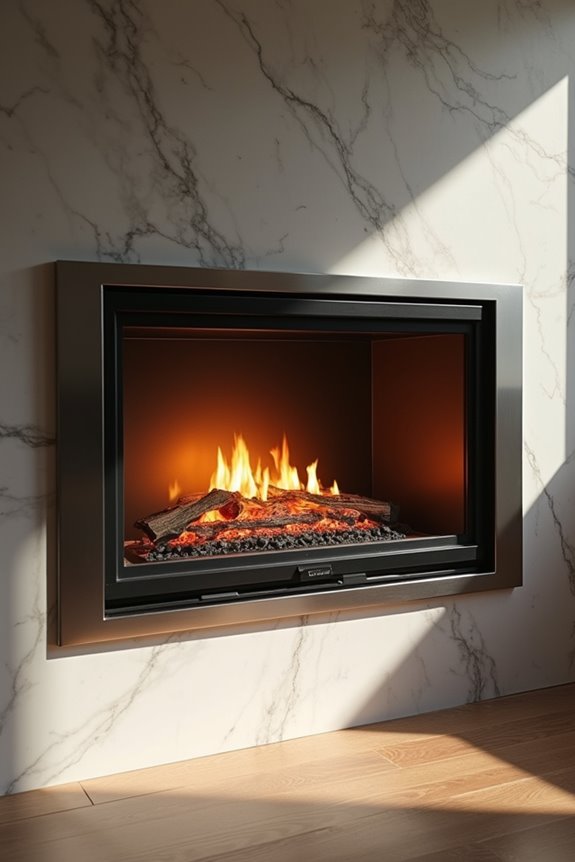
You might think you need that classic chimney look for your gas fireplace, but here’s the real deal: natural ventilation uses a pipe or brick structure to pull smoke and fumes up and out without any mechanical help—kind of like how heat rises naturally! The trick is getting the venting pathway designed just right, so you won’t get annoying backdrafts or safety issues that’ll keep you up at night. So when should you actually choose this route instead of the easier direct-vent or vent-free options that don’t need any chimney structure at all?
How Natural Ventilation Works
Have you ever wondered why some gas fireplaces need a pipe going up through the roof while others don’t? Natural ventilation uses gravity and temperature differences to move combustion byproducts outdoors safely. Here’s how it works:
- Hot gases rise naturally through a vertical pipe or chimney-like structure
- Cooler outdoor air pressure pushes exhaust upward and away from your home
- No mechanical blower or fan powers the venting system
- Proper clearance and installation ensure reliable, continuous exhaust removal
You’re essentially creating an invisible highway for smoke and gases! The stack effect—that’s the scientific term for rising hot air—does all the heavy lifting. This passive approach keeps your indoor air quality excellent while maintaining safety. It’s beautifully simple, really!
Chimney-Like Structure Benefits
Now that you understand the stack effect doing the heavy lifting, let’s talk about the actual structure that makes it all happen—and why it’s such a smart choice for your home.
A chimney-like structure gives you reliable venting without needing electricity or mechanical parts. You’re essentially creating a dedicated pathway for exhaust to escape safely outdoors. This non-mechanical approach means fewer things breaking down, which is honestly refreshing!
Your chimney-like structure handles combustion by-products efficiently. It works whether you’re experiencing power outages or just want simplicity. Plus, this setup pairs beautifully with your home’s exterior aesthetic—function meets style!
Here’s what makes it genuinely smart: proper clearance and safe installation protect your family. Following safety guidelines ensures your gas fireplace operates smoothly for years. That’s the real win—peace of mind and dependable performance combined!
When To Choose Natural Vent
When your home’s layout doesn’t accommodate a traditional chimney, natural venting becomes your answer! You’ll want to consider this option when:
- Your space lacks room for a full chimney structure
- You’re renovating and don’t want major construction disruptions
- You need design flexibility for your fireplace placement
- Building codes permit natural venting in your area
Natural ventilation efficiently removes combustion byproducts through an outdoor vent pathway without mechanical fans. Think of it as a smart workaround—you get that cozy fireplace without extensive structural changes. The system relies on natural air pressure to push smoke outside, keeping your indoor air clean.
You’ll appreciate this choice because it’s cost-effective and installation-friendly. Just ensure proper clearance distances per manufacturer guidelines. It’s honestly the practical solution for many homeowners like you!
Power Vents for Gas Fireplaces: When Fans Handle Exhaust
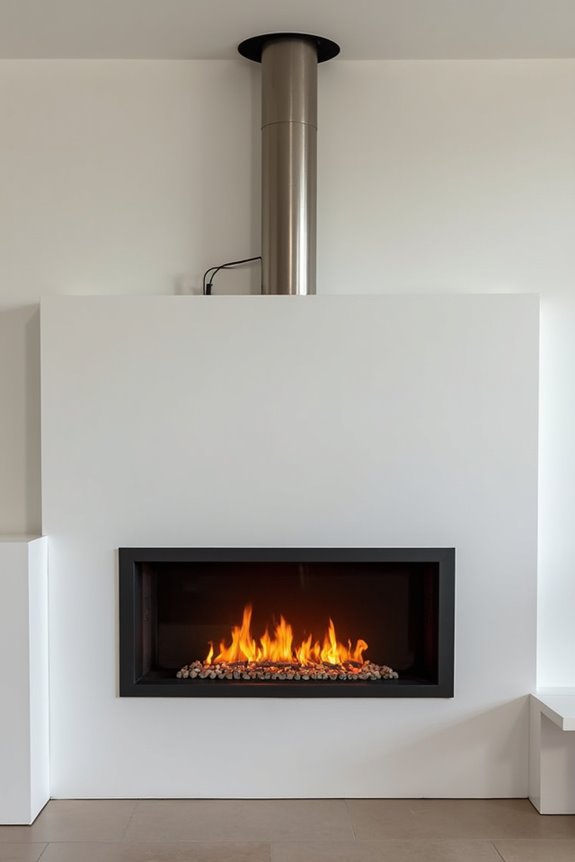
Ever wished you could install a gas fireplace in a room without a traditional chimney? Power vents make that dream real!
Power vents transform gas fireplace installation, making it possible in rooms without traditional chimneys.
These systems use electric fans to push combustion exhaust safely outside, even when standard venting isn’t possible. You’re essentially letting a blower do the heavy lifting instead of relying on gravity and natural draft.
Power vents work brilliantly for tricky situations. Maybe your home lacks a chimney. Perhaps wall space is limited. These fans handle it! They can route exhaust through roofs or horizontal wall openings, giving you flexibility that traditional setups simply can’t match.
Here’s the catch: proper installation matters tremendously. Follow manufacturer instructions carefully and schedule regular maintenance. When done right, power-vented fireplaces deliver convenient warmth and ambiance where you thought installation was impossible!
Vent-Free Gas Fireplaces: Heat Retention vs. Indoor Air Quality
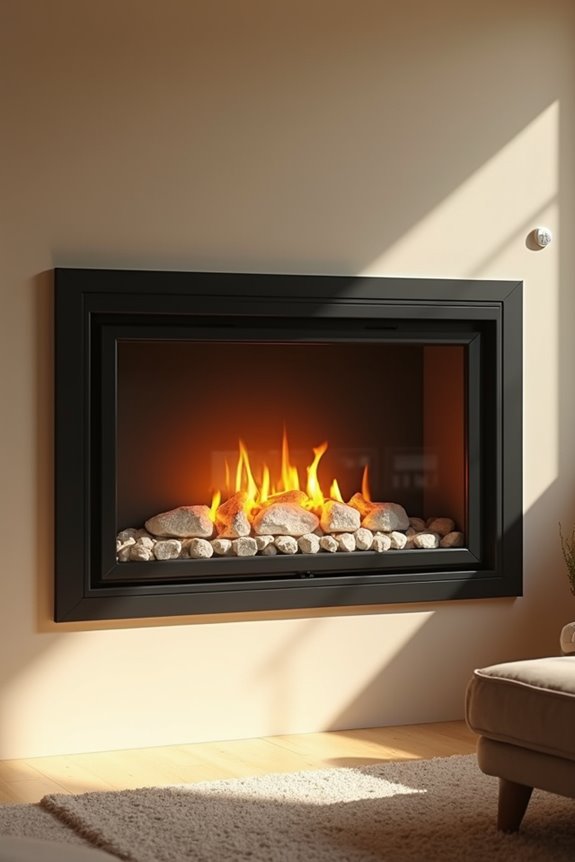
What’s the trade-off when you skip the chimney altogether? Vent-free gas fireplaces keep heat inside your home—that’s fantastic for efficiency! But here’s the catch: you’re also keeping combustion byproducts indoors. Your indoor air quality takes a hit because there’s no external exhaust.
Consider these important factors:
- Carbon monoxide risks – Install detectors; they’re non-negotiable safety devices
- Moisture buildup – Extra humidity can damage walls and promote mold growth
- Sensitivities matter – People with respiratory issues may struggle with recirculated air
- Code restrictions – Many locations regulate or ban vent-free units entirely
You’ll love the energy savings, but you’re essentially trading outdoor air for warmth. Pair any vent-free unit with working detectors and follow manufacturer guidelines religiously. Your family’s health deserves that commitment!
Is Vent-Free Right for You? Safety Considerations and Trade-Offs
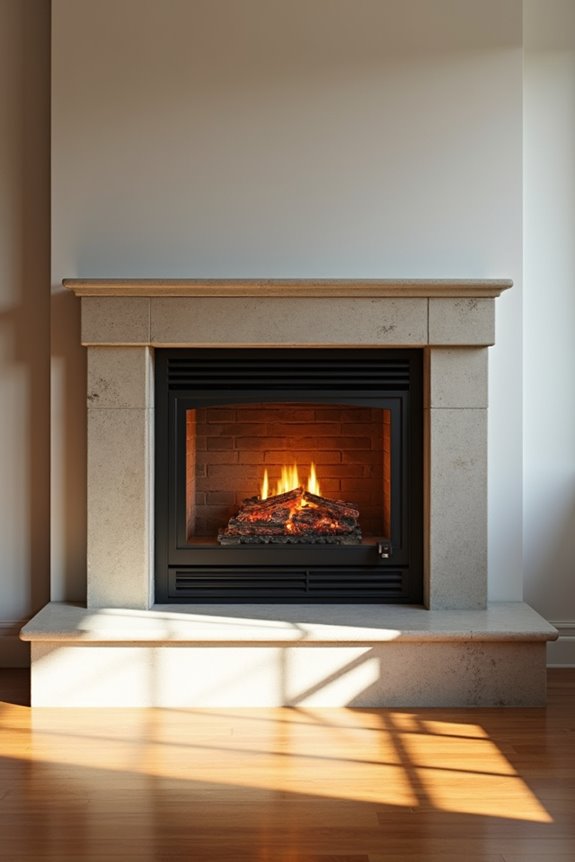
Before you commit to a vent-free gas fireplace, you’ve got to honestly assess whether it’ll work in your home—and this decision hinges on three big questions: Is your space large enough? Do you have proper ventilation already in place? Can you commit to safety measures?
Here’s the truth: vent-free units recirculate your indoor air, which means they work best in larger rooms with excellent airflow. You’ll absolutely need a functioning carbon monoxide detector—non-negotiable! Your local building codes might restrict vent-free installations too, so check before investing.
The trade-off? Easier installation and flexibility versus potential humidity buildup and odor concerns. If you’re willing to prioritize safety protocols and monitor your home’s air quality closely, vent-free could work beautifully for you!
What Happens Without Regular Maintenance: Blockages, Efficiency Loss, and CO Risk
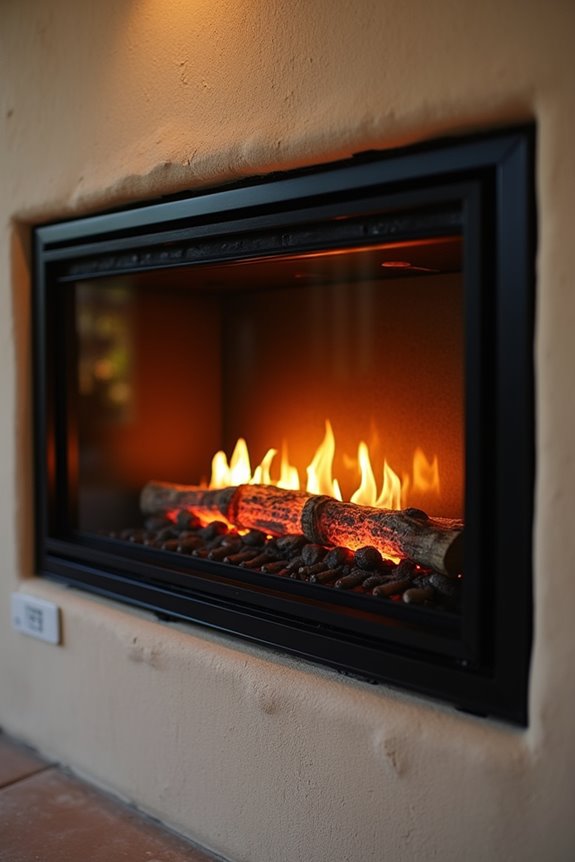
Skip your yearly fireplace checkup, and you’re basically inviting trouble into your home—trouble that builds up quietly and invisibly. Without regular maintenance, your fireplace becomes a liability rather than a cozy comfort zone.
Here’s what happens when you neglect your ventilation system:
- Soot and debris accumulate in burners and vents, blocking airflow and reducing heat output by up to 30%
- Efficiency plummets as your fireplace works harder, wasting energy and inflating utility bills
- Carbon monoxide risk escalates when blocked ventilation prevents proper gas exhaust removal
- Safety hazards emerge from worn burners, faulty pilots, or damaged thermocouples causing sudden outages
Think of maintenance as protection for your family. Professional annual service keeps everything running safely and efficiently. You’ll enjoy consistent warmth, lower energy costs, and peace of mind knowing your fireplace operates as intended!
Signs Your Gas Fireplace Needs Cleaning and Inspection
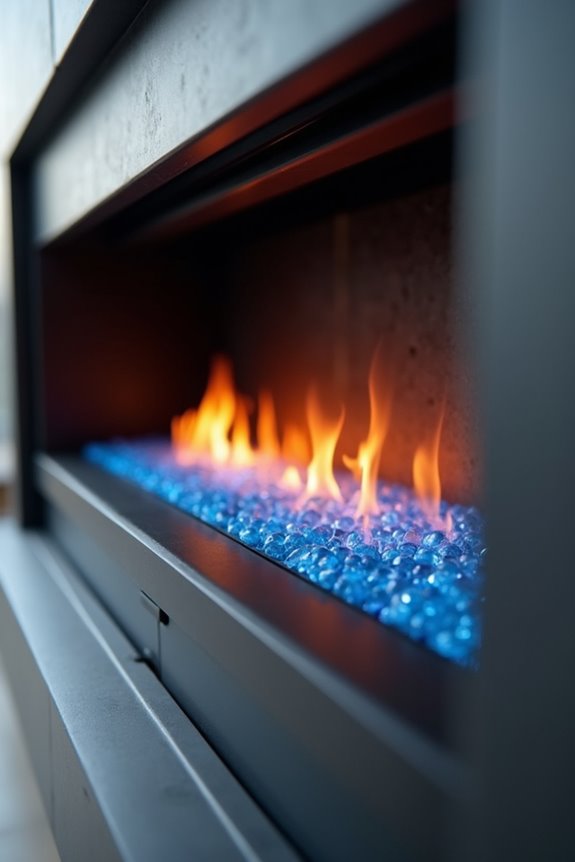
How can you tell when your gas fireplace is crying out for help? Pay attention to these telltale signs.
Weaker flames or reduced heating efficiency often signal venting blockages that need immediate attention. You’ll notice visible soot or debris around your fireplace—that’s your cue to act!
Weaker flames or reduced heating efficiency often signal venting blockages that need immediate attention.
Unusual odors during operation deserve serious consideration. Mild burning smells suggest routine cleaning is due, but stronger odors demand professional inspection right away.
Watch for performance changes too. Does your fireplace need frequent restarts? Are flames fluctuating unexpectedly? These combustion problems indicate something’s wrong internally.
You’re part of a community of smart homeowners who catch issues early. When you spot these signs, you’re protecting your family and your investment. Don’t wait—schedule that professional inspection today!
Annual Maintenance Schedule for Gas Fireplaces
When’s the last time you scheduled a professional checkup for your gas fireplace? You’re joining countless homeowners who prioritize annual maintenance to keep their fireplaces safe and efficient!
Here’s your maintenance roadmap:
- Schedule yearly professional inspections to verify burner, pilot assembly, valves, and ignition systems work properly
- Ensure proper venting by having technicians check exhaust paths remain unobstructed and functional
- Prevent carbon monoxide buildup through regular servicing that confirms combustion happens safely
- Complement professional work with DIY cleaning of exterior components and glass between visits
Think of it like maintaining your car—routine checkups catch problems early. Annual maintenance reduces soot and blockages that impede performance. You’ll extend your fireplace’s lifespan while staying code-compliant. Professional inspections verify everything operates safely, giving you peace of mind during those cozy winter nights!
Should You DIY or Hire a Pro? What Each Approach Covers
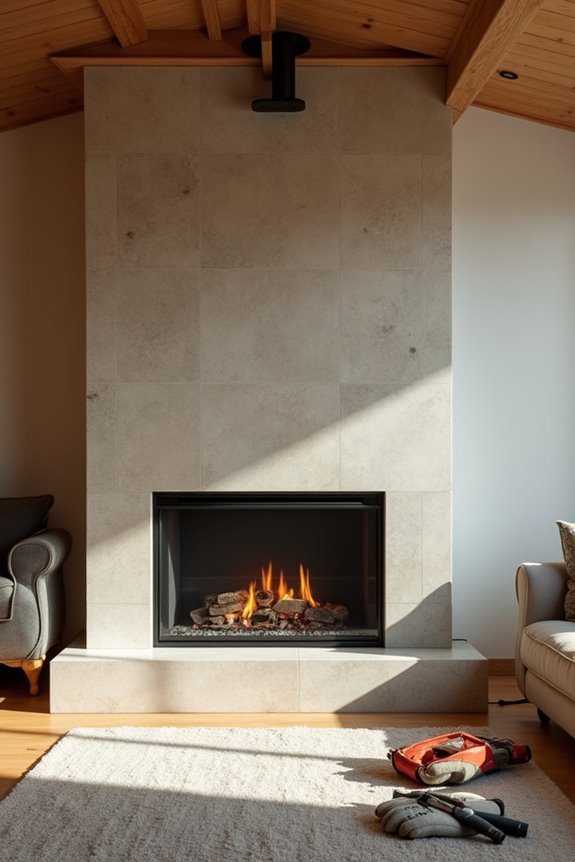
You can definitely handle some gas fireplace upkeep yourself—think glass cleaning, debris removal, and basic exterior tidying—but here’s the thing: professional inspections catch hidden problems like faulty valves and pilot issues that you’d completely miss, plus they’re your best defense against carbon monoxide risks. When it comes to venting choices (direct vent versus B-vent versus Class A flue), installation work, and code compliance, you’ll want a certified technician on your team because these decisions require expertise and cross-brand knowledge that most DIYers simply don’t have. So ask yourself: can you safely handle this alone, or does it involve venting options, complex installations, or chimney work—because that’s your signal to call the pros?
Professional Inspection Benefits
Because gas fireplaces involve combustible fuel and venting systems, deciding between DIY maintenance and professional inspections matters more than you’d think. Here’s why hiring a pro makes real sense for your safety and peace of mind:
- Venting integrity checks – Technicians detect blockages and leaks you’d likely miss during basic cleaning
- Carbon monoxide safety verification – They use specialized equipment to confirm dangerous gases escape properly
- Component wear detection – Licensed professionals spot deteriorating valves, burners, and pilot assemblies before failure
- Energy efficiency optimization – Professional service improves performance and ensures code compliance reliably
Think of it this way: DIY upkeep handles routine maintenance, but professionals catch hidden problems. Combining occasional DIY care with annual professional inspections? That’s your winning strategy for a safe, efficient fireplace!
Basic DIY Maintenance Tasks
The good news? You can absolutely handle basic maintenance yourself! Regular DIY tasks keep your gas fireplace running smoothly between professional visits.
Start with the glass—use a fireplace-safe cleaner and soft cloth monthly. Check your venting system for debris, leaves, or blockages that restrict airflow. Vacuum around the fireplace base to prevent dust buildup. Wipe decorative components gently.
| Task | Frequency |
|---|---|
| Clean glass doors | Monthly |
| Check vents for debris | Monthly |
| Vacuum surrounding area | Monthly |
| Dust decorative parts | Quarterly |
| Inspect visible components | Seasonally |
Here’s the thing: these tasks improve safety and performance without requiring special tools. However, don’t attempt internal burner adjustments or complex venting repairs yourself. That’s where licensed technicians shine! They catch hidden issues you’d miss, ensuring proper airflow and preventing carbon monoxide risks. Think of DIY maintenance as your first line of defense—smart, manageable, and genuinely helpful!
When To Call Experts
How’s your confidence level with gas appliances? Here’s the thing: you can totally handle basic cleaning and exterior maintenance yourself. But when venting options, carbon monoxide safety, or burner components enter the picture, that’s when professionals become your best friends.
Consider calling experts for:
- Professional installation ensuring correct venting and code compliance with local building departments
- Vent-free vs direct vent assessment to determine what works best for your space
- Annual professional inspection catching blockages, leaks, or worn parts you’d easily miss
- Hidden venting issues or burner component repairs requiring certified technician knowledge
Think of it this way: DIY saves money on routine tasks, but professional inspection annually prevents dangerous problems. Seriously, if you’re uncertain about whether a vent-free unit suits your home, consulting a pro prevents carbon monoxide risks. You’ve got this!
What Happens When Vents Get Blocked or Clogged?
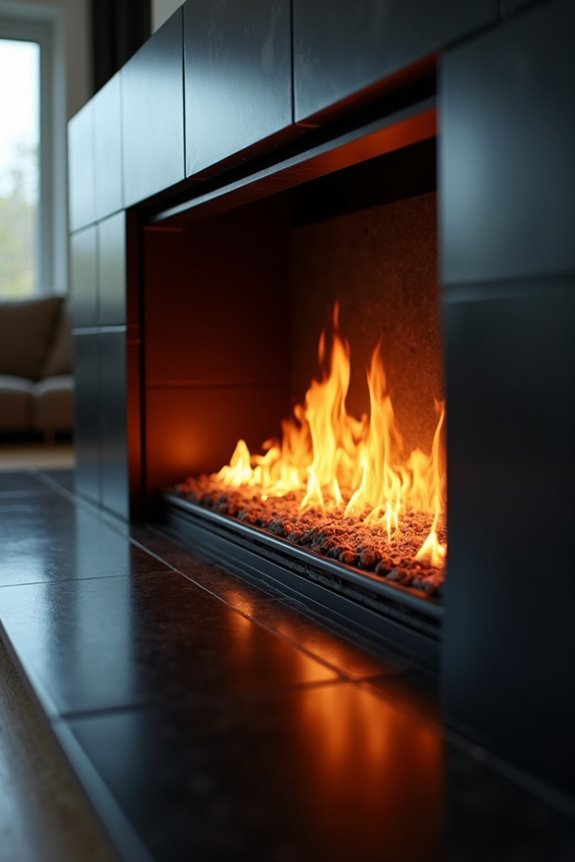
Ever wondered why your gas fireplace’s flames suddenly look weak or uneven? Blocked vents are likely the culprit! When debris, bird nests, or dirt clog your intake or exhaust pipes, you’re asking for trouble.
Here’s what happens: obstructions impede combustion, which elevates dangerous carbon monoxide and nitrogen dioxide levels inside your home. Your fireplace becomes inefficient, producing less heat while working harder. You’ll notice reduced flames and potential flame rollout hazards—seriously unsafe situations!
Regular ventilation checks are your best defense. They prevent soot accumulation and ensure unobstructed airflow for safe operation. Backdrafts occur when vents can’t breathe properly, pushing pollutants indoors instead of outside.
Don’t ignore weak flames or strange odors. Schedule a professional inspection immediately. Experts identify hidden blockages you’d miss, protecting your indoor air quality and keeping your fireplace performing beautifully!
Carbon Monoxide and Gas Fireplaces: Why Ventilation Matters
Why’s ventilation so essential when you’ve got a gas fireplace running in your home? Here’s the thing—proper venting keeps you safe from carbon monoxide, an invisible, odorless gas that’s genuinely dangerous.
- Direct-vent systems exhaust combustion by-products outside, dramatically reducing indoor CO exposure compared to vent-free options
- Vent-free fireplaces rely entirely on indoor air exchange, making ventilation planning absolutely vital for your family’s safety
- Blocked vents trap carbon monoxide indoors, creating hazardous buildup that detectors catch but prevention’s better
- Annual inspections catch problems early—professionals verify venting integrity and ensure manufacturer codes are met
You’re protecting your loved ones by understanding this connection. Regular maintenance isn’t just recommended; it’s your responsibility. Install quality CO detectors, schedule yearly professional checkups, and follow local codes religiously. Your fireplace should bring warmth and peace of mind, not worry!
Do Building Codes Affect Maintenance for Existing Gas Fireplaces?
Building codes aren’t just bureaucratic red tape—they’re actually your best friend when it comes to keeping your gas fireplace safe and running smoothly!
Building codes aren’t bureaucratic red tape—they’re your best friend for keeping your gas fireplace safe and running smoothly!
Here’s the thing: code compliance directly impacts your maintenance responsibilities. You’ll need annual professional inspections to verify venting integrity and clearances align with local requirements. Your fireplace’s venting type—whether vented, vent-free, or power-vented—must match both manufacturer specifications and building codes.
Think of maintenance as protecting your investment. Regular inspections catch venting problems before they become dangerous. If you’ve got an existing fireplace, following code requirements during maintenance keeps everything up to standard.
Don’t skip this! Your building department can clarify what your specific model needs. You’re not alone in this—many homeowners discover that code-compliant maintenance actually prevents costly repairs down the road!
Extend Your Fireplace’s Life With Preventive Maintenance
When you treat your gas fireplace like you’d treat your car—with regular checkups and upkeep—you’re setting yourself up for years of cozy fires and reliable performance! Preventive maintenance keeps your fireplace running safely and efficiently, protecting you from combustion gases that need proper ventilation.
Here’s what you’ll want to do:
- Schedule annual professional inspections to catch burner and pilot issues early
- Monitor ventilation systems to ensure combustion gases exit safely
- Clean decorative components and remove debris quarterly
- Watch for warning signs like weak flames, unusual odors, or reduced efficiency
Think of preventive maintenance as your fireplace’s best friend. Regular attention prevents costly repairs down the road and extends your fireplace’s lifespan significantly. You’re not just maintaining equipment—you’re protecting your home and family while enjoying reliable warmth!
Create a Maintenance Checklist: What to Inspect Each Season
You’ll want to establish a seasonal rhythm for inspecting your gas fireplace—think of it like changing your car’s oil or winterizing your home. Spring and fall are your golden opportunities to check venting connections, clear debris from intake and exhaust paths, and ensure airflow flows freely, while also cleaning that fireplace glass so you can actually see those beautiful flames! By tackling these inspection points each season—ventilation system checks, burner operation, pilot light behavior, and component wear—you’ll catch small issues before they become expensive headaches during peak heating months.
Seasonal Inspection Guidelines
How often do you actually think about what’s happening inside your gas fireplace? Most of us don’t—until something goes wrong! Seasonal inspections keep your fireplace running safely and efficiently. You’re part of a community of smart homeowners who take this seriously!
- Spring/summer: Clean the glass, vacuum around the firebox, and check burners for wear or damage
- Fall: Test the ignition system, clean the thermostat, and confirm your pilot light ignites reliably before heating season
- Venting system: Inspect for blockages, debris, or animal intrusions that could trap combustion byproducts
- Annual professional inspection: Assess safety, airflow, and local code compliance while maintaining vent components
Don’t forget testing your CO detectors and smoke detectors regularly! An annual inspection catches problems early, giving you peace of mind and protecting your family. You’ve got this!
Ventilation System Checks
Your seasonal inspections are solid, but here’s the thing—the ventilation system is where the real magic happens, and it’s often the most overlooked part! You’ll want to check outside exhaust pathways quarterly for blockages and debris. Look at direct-vent and power-vent components carefully—clear airflow keeps everything running smoothly. Inspect glass doors too; dust buildup signals potential venting issues. Test your burner flame; it should be primarily blue. Unusual odors? That’s your red flag for ventilation problems. Schedule an annual professional inspection to verify venting integrity and carbon monoxide safety. They’ll catch what you might miss. Really, that professional visit protects your family’s health and ensures peak fireplace performance. You’ve got this!